



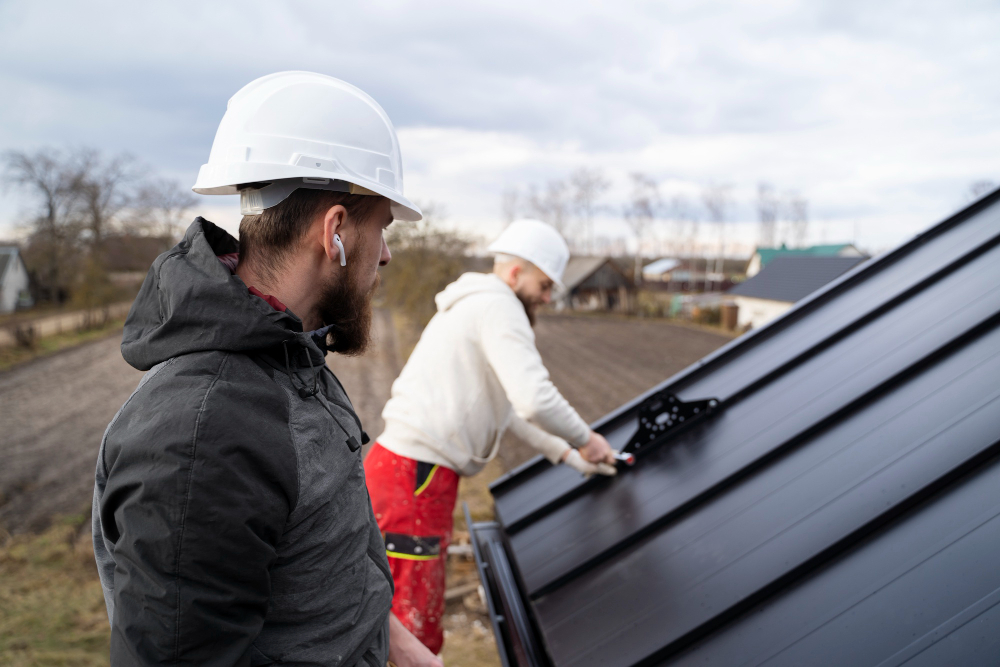

Understanding how a home roofing inspection works helps you maintain your roof’s strength and lifespan. Any top roofing contractor will tell you that these inspections play a vital role in protecting your home investment. This guide explains the inspection process from start to finish, covering preparation steps, what inspectors look for, and common problems they find. We’ll also discuss why regular inspections save money and protect your home from costly damage.
Importance of Roofing Inspections
Regular roofing inspections help keep your home’s roof strong and prolong its lifespan. Through careful inspections, you can find potential problems early and prevent expensive damage later. Inspections allow you to check the condition of your roof, including shingles, flashing, gutters, and the support structure. Identifying leaks, cracks, or wear signs promptly allows you to address these issues before they worsen, thereby protecting your home from water damage and mold growth. Regular inspections also make sure your roof meets building codes and safety standards, giving you peace of mind about your home’s protection. Regularly inspecting your roof helps preserve its quality and strength.
Preparing for a Roof Inspection
When scheduling a roof inspection, ensure that all areas the inspector needs to access are clear of debris or obstacles that could block a thorough assessment. Remove branches, leaves, or objects that could block the inspector’s view of the roof surface. Trim back tree limbs that hang over the roof to allow for a full inspection. Ensure all attic access points are clear so the inspector can inspect ventilation, insulation, and signs of leaks. Provide any paperwork about the roof’s history or past repairs for the inspector to review. Creating a safe and clear environment helps the inspector properly assess your roof’s condition.
Inspection Process Step by Step
Start the inspection process by carefully examining the outside of your roof for any visible signs of damage or wear. Begin by checking the shingles for cracks, curling, or missing pieces. Inspect the flashing around chimneys, vents, and skylights for signs of rust or gaps. Check the gutters for clogs, rust, or sagging. Look for signs of water damage, such as stains on the ceiling or walls inside your home. Examine the soffits and fascia for rot or decay. Finally, evaluate the overall condition of the roof structure, including the ridges and valleys, for any signs of deterioration. Write down any findings to discuss with a professional roofer for further assessment.
Common Roofing Issues Found
During a comprehensive home roofing inspection, several common issues may be identified that require attention to maintain your roof’s structural integrity and extend its lifespan. Some common problems include missing or damaged shingles, which can result in water leaks and roof structure deterioration. Flashing issues around chimneys, vents, and skylights are also commonly found, as poor sealing can allow water to get in. Clogged or damaged gutters and downspouts can cause water to pool on the roof, potentially leading to rot and mold growth. Sagging or uneven roof areas may indicate structural problems that require prompt attention to prevent further damage. Regular inspections help catch these issues early and prevent costly repairs later.
Benefits of Regular Inspections
Regular roof inspections provide valuable benefits by identifying potential issues early and ensuring your roof’s long-term durability. By scheduling routine inspections, you can catch small problems before they turn into costly repairs. Early detection of leaks, damaged shingles, or improper flashing can prevent water infiltration, mold growth, and structural damage. Regular inspections also help you maintain your roof warranty by addressing issues promptly. Professional roofers can assess your roof’s condition, recommend necessary repairs or maintenance, and provide estimates for budget planning. Routine inspections increase your roof’s overall lifespan, saving you money in the long run by avoiding extensive damage that could require a full roof replacement.
Related Topics: