



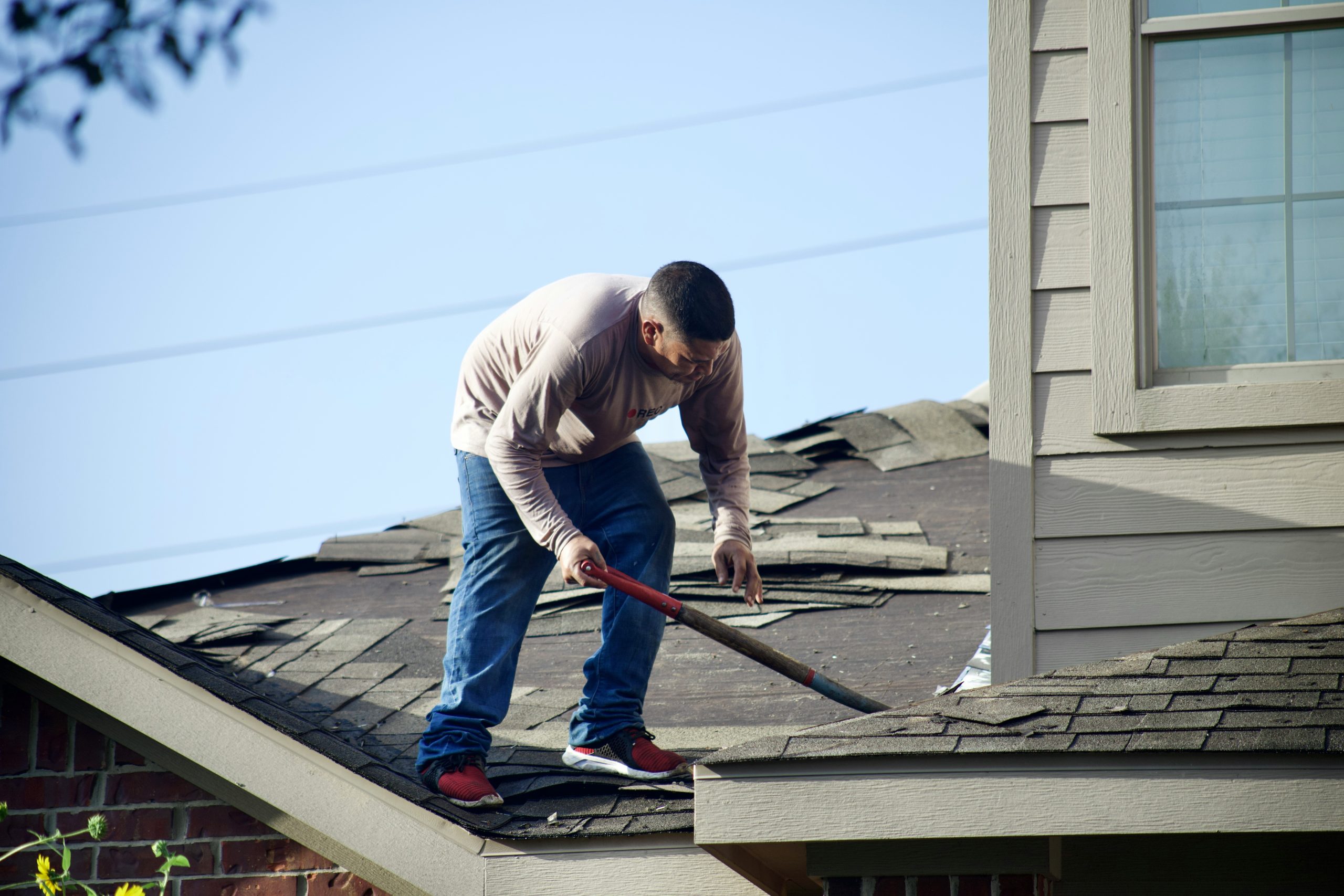

This question comes up a lot during estimates, usually when someone wants to move fast or avoid extra cost. Homeowners talking with professional local roofers in Fairfax, VA, often hear different opinions depending on who they ask. Some say it works fine, others say it causes trouble later. The truth sits somewhere in the middle, and it depends on what condition the roof is already in. What matters most is knowing what gets hidden once a new layer goes on.
Pros of Installing New Roof Over Old
Putting a new roof over an existing one can speed things up. There is no tear-off, which means less mess and fewer hours on site. For some homeowners, that alone feels like a win. The house stays quieter during the job, and there is less debris to deal with afterward. In certain situations, the extra layer may slightly reduce outside noise. These benefits tend to show up right away, which is why the option stays popular.
Cons of Adding New Layer
The problem is what cannot be seen once the new roof is down. Any moisture damage, soft decking, or early rot stays in place and keeps getting worse. Adding another layer also adds weight. That weight has to go somewhere, and older framing does not always handle it well. Over time, this can lead to uneven roof lines or sagging areas. If repairs are needed later, the work usually costs more because everything is harder to access.
Structural Considerations for Multiple Layers
Every roof has limits, even if it looks solid from the street. Extra layers increase pressure on rafters and supports. In some homes, that pressure causes slow movement that is easy to miss until it becomes obvious. Moisture can also get trapped between layers, especially after heavy rain. When that happens, damage spreads quietly. By the time it shows, the fix is rarely simple.
Cost Comparison: Overlay vs. Tear-Off
Overlay jobs usually come with a lower starting price. Less labor and fewer materials keep the estimate down. A tear-off costs more upfront, but it allows roofers to fix problems before new materials go on. That clean start often helps the roof last longer without surprise repairs. The cheaper option can end up costing more if issues surface sooner than expected.
Impact on Warranty and Insurance
Layered roofs often come with limits. Some manufacturers will not stand behind materials installed over an old roof. Insurance companies may also see added layers as higher risk. That can complicate claims or coverage later. A full replacement usually avoids those questions and keeps coverage clearer.
Is Installing Over Old Roof Recommended?
In most cases, installing over an old roof is not the best long-term move. It may save time at the start, but it also locks in problems that should be fixed. Removing the old materials allows the roof to be checked properly and gives the new installation a better chance to hold up over time.
Related Topics: