



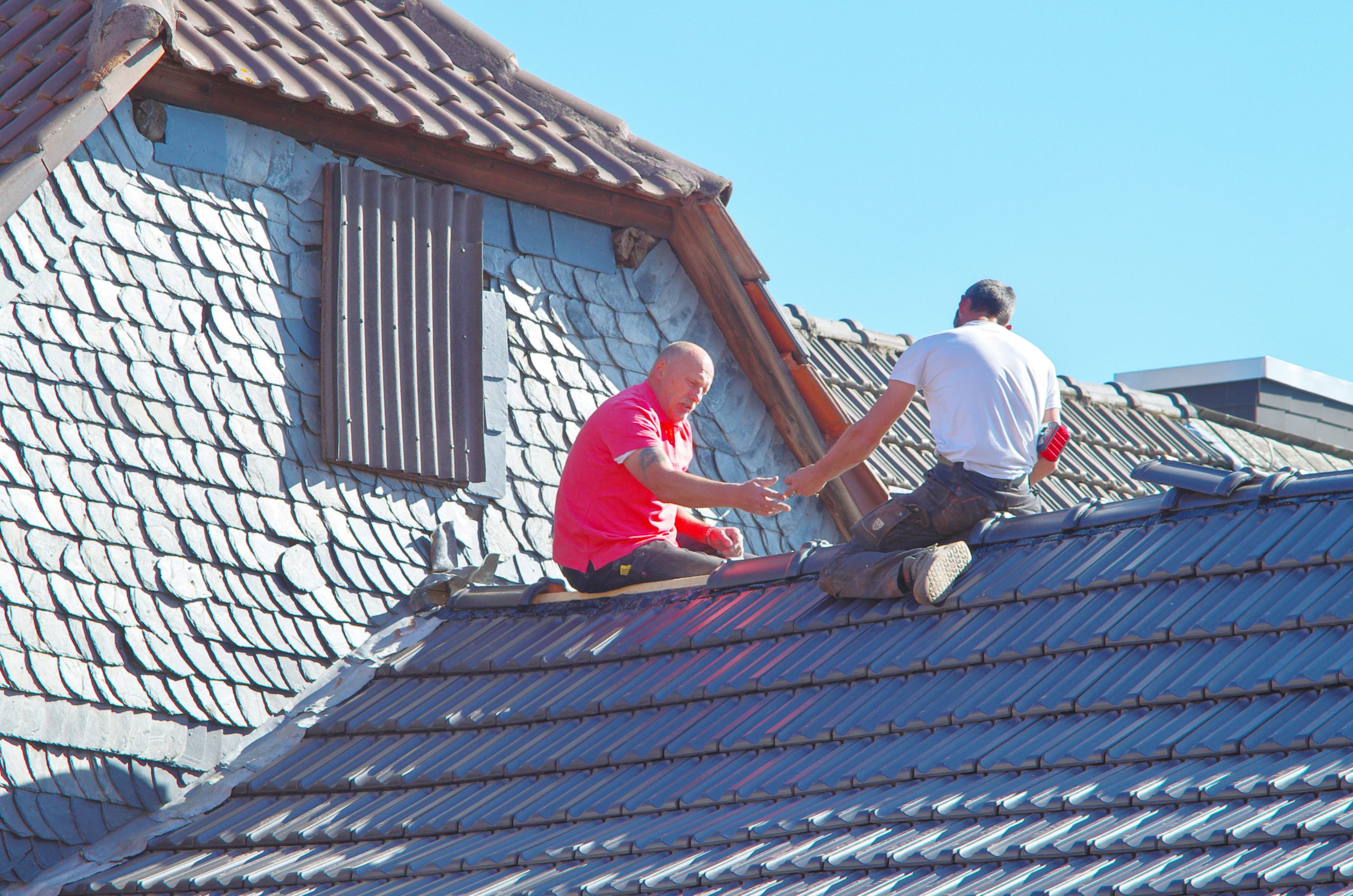

Roof repairs often look easier than they are. Many homeowners start with good intentions, assuming a small fix will solve the problem. This article explains why that approach usually backfires. People who end up calling a top-rated local roofing contractor often do so after realizing that roofing problems rarely stay small once someone without training gets involved. The sections below walk through the real reasons DIY roof work causes more harm than help.
Safety Risks
Working on a roof puts people in situations they are not used to handling. Sloped surfaces, unstable footing, and tools used at height increase the chance of serious injury. A short loss of balance or a ladder shifting can result in a fall that causes lasting damage. Professional roofers deal with these conditions daily and know how to move safely. Most homeowners do not, even if they feel confident at ground level.
Lack of Expertise
Roofing systems are layered and interconnected. A visible issue is not always the real source of the problem. Water often enters one place and shows up somewhere else. Without experience, repairs are based on guesses rather than diagnosis. This leads to fixes that look fine for a short time and fail once the weather changes or water builds up again.
Potential Damage
DIY repairs often introduce new problems. Materials installed incorrectly can block drainage or trap moisture. Small errors allow water to spread under shingles or into the roof deck. That damage may not be obvious right away. Months later, stains appear, wood softens, or insulation becomes saturated. At that point, the repair is no longer simple.
Voided Warranties
Roofing materials usually come with conditions attached. Many manufacturers require professional installation and repairs for coverage to remain valid. Once a homeowner works on the roof themselves, that protection may disappear. If the roof fails later, the cost of replacement or repair falls entirely on the homeowner, regardless of material age.
Costly Mistakes
Trying to save money is one of the main reasons people attempt roof repairs on their own. In practice, mistakes often increase expenses. Poor sealing, misplaced flashing, or damaged shingles lead to leaks that affect ceilings, walls, and framing. Fixing those issues costs more than addressing the original problem correctly from the start.
Legal Liabilities
Roof repairs can create legal issues that are easy to overlook. Work that does not meet code may need correction during a sale or inspection. Insurance claims may be denied if damage is traced back to improper repairs. There is also a liability risk if falling debris or structural failure causes injury. These situations add stress long after the repair attempt is finished.
Related Topics: