



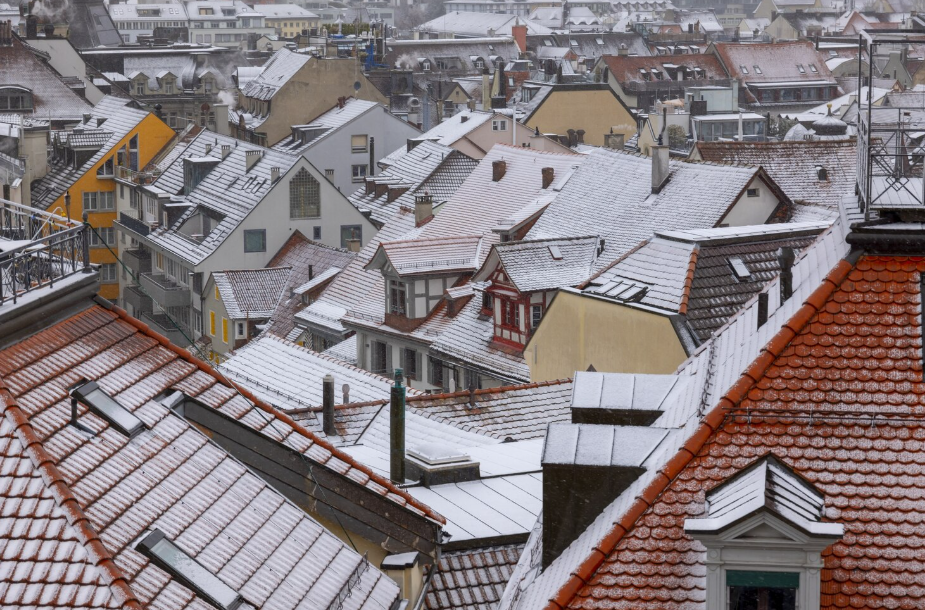

The weather can really change the way your roof ages. Sun, wind, snow, rain, and hail all chip away at your shingles in their own way, sometimes faster than you realize. Even small things like a patch of shingles peeling off or tiny cracks can snowball if you don’t notice them. That’s why keeping up with quality roofing services is a good idea. You might think your roof is fine, but these little stresses add up over time.
Sometimes I forget about my own roof, honestly. You know, it’s easy to glance at it from the driveway and think it’s fine. But once you start noticing things like missing shingles or water stains, it clicks that all roofs age differently depending on the weather they face.
UV Rays and Roof Degradation
UV rays aren’t just for sunburns; they hit your roof, too. Constant sun breaks down the material, slowly making shingles brittle and sometimes a bit discolored. In sunny spots, like down south, it’s worse, and those bright days can sneakily shorten your roof’s life without you noticing. Some homeowners add UV-resistant coatings or materials when replacing their roof, which helps a bit. Even just having someone inspect it once a year can catch early damage before it spreads.
I often forget to check for fading or cracking myself, but just a walk around can show you a lot. You might even see granules from shingles collecting in your gutters, which is a subtle hint that the roof is wearing down.
Impact of Wind on Roofing Materials
Wind is sneaky; it can lift shingles without anyone noticing. High winds get under the edges and start peeling things off. Loose shingles or tiles might not seem like a big deal at first, but over time, they let water in and mess with the roof’s integrity. Debris, such as branches, can hit the roof and cause dents or cracks, worsening the problem. Proper installation is key here; secure attachments and good fasteners help prevent damage before it starts.
Honestly, a windy day makes me worry about my own roof more than anything else. It’s those tiny little shifts that you don’t notice until the leaks show up inside.
Snow Load and Roof Structural Integrity
Snow can really weigh down a roof if it piles up too much. The heavier it gets, the more pressure it puts on the structure below. Roofs without strong support or insulation can start sagging or even crack under pressure. It’s not just about the snow itself, either; ice buildup and thaw cycles can make it worse. Making sure your roof is built for the local snowfall is a big step in avoiding damage later.
Sometimes I think about the snow piling on neighbors’ roofs and wonder how long it takes before they notice a problem. Early inspections prevent expensive surprises, and honestly, that peace of mind is worth it.
Effects of Heavy Rain on Roofing
Heavy rain can feel harmless at first, but it really tests your roof. Water can pool in certain areas, adding weight and creating leaks. Over time, those leaks can ruin shingles, underlayment, or even the structure beneath. Gutters that are clogged or not draining properly make this worse. Regular checks and maintenance go a long way to keeping the roof in shape through storms.
I’ve seen small water stains turn into much bigger problems in a season or two. It’s the kind of thing you don’t notice until it’s dripping inside your house, and by then it’s a bigger headache.
Hail Damage and Roof Longevity
Hail is like little missiles hitting your roof, sometimes causing dents, cracks, or missing granules. Bigger stones and stronger winds make it worse, and repeated hail can shorten a roof’s life pretty quickly. Asphalt shingles, wood shakes, and clay tiles are especially vulnerable. Catching damage early and getting repairs done fast makes a big difference in long-term performance.
I remember one storm where I ignored small dents on the roof, and later it turned into a full replacement situation. It’s surprising how something that looks tiny from the ground can hide bigger problems above.
Extreme Temperatures and Roof Lifespan
Hot summers and freezing winters put your roof through a lot. Materials expand and contract, which leads to cracking, curling, or even breaking over time. Heat can deteriorate shingles faster, while freezing makes asphalt brittle. Good insulation and ventilation help, but it’s still something to keep an eye on.
Just thinking about how temperature swings affect my own roof makes me realize I should check it more often. Regular inspections catch minor issues before they turn into major headaches, and honestly, it’s not that hard once you get into a routine.
Related Topics: