



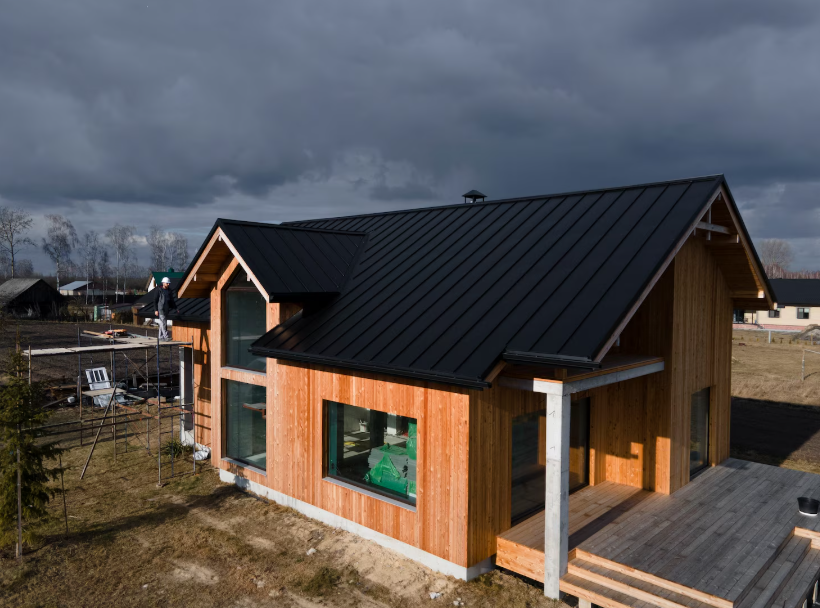

Metal roof shingles can last a really long time, though it depends on a few things. Material quality matters, of course, but also how well they’re installed and if someone actually keeps an eye on them. Steel shingles usually hang around for about 50 years, aluminum maybe 70, and copper, well, some of those have been around for over 100 years. It’s unbelievable when you think about it.
You’ll notice wear in a few ways. Rust shows up, colors fade, and sometimes the granules start to chip away. If you call a metal roof shingle contractor, they’ll tell you exactly what to watch for and what you can do to keep things from going downhill. Weather doesn’t help either; extreme heat, snow, or heavy rain will take a toll eventually.
A little maintenance goes a long way. Cleaning gutters, checking for rust, and trimming overhanging branches can make a big difference over the decades. It’s just those tiny, almost forgettable steps that really pay off.
Factors Affecting Shingle Longevity
How long shingles last really comes down to a mix of stuff. If they’re installed properly and fit snug, they’re much less likely to get blown around in strong wind or messed up by rain. Even small gaps can end up causing problems you don’t notice until it’s too late.
Regular maintenance is key, too. Clearing debris, checking seams, and keeping an eye out for rust stop small issues from snowballing into bigger ones. And honestly, the materials themselves matter a lot, as does who puts them on. A good installer can make a huge difference.
Average Lifespan of Metal Shingles
So, on average, steel shingles last around 50 years, aluminum can go 70, and copper sometimes over 100. But that’s assuming things are done right; poor installation or ignoring problems can cut that in half.
Keeping up with maintenance is really what stretches that lifespan. Even just inspecting the roof once or twice a year can make a noticeable difference. It’s kind of like checking your car oil. You might think it’s fine, but a little attention keeps things going longer.
Signs of Shingle Wear and Tear
Rust along the edges or seams is a pretty clear sign that something’s off. Warping, cracking, or discoloration are also warning flags. You know, things you might notice if you’re up on a ladder or just looking from the yard.
Loose or missing shingles are obvious, but granule loss is sneaky. It tells you the shingles are aging, even if they look okay at first glance. Catching these issues early is way easier than fixing leaks later.
Tips for Prolonging Shingle Lifespan
Maintenance doesn’t have to be complicated. Schedule inspections now and then, clean out the gutters, and make sure there’s nothing heavy sitting on the roof.
Trimming branches helps, and dealing with rust quickly prevents bigger problems. Hiring someone to clean the roof every few years professionally isn’t a bad idea either. Little things like this add up over time, and your roof lasts that much longer.
Environmental Impact on Shingle Longevity
Extreme temperatures, heavy rain, snow, or wind all affect how long shingles last. High humidity is sneaky, too; it can trigger rust faster than you’d expect.
Metal shingles are tough, but no material lasts forever. Picking shingles suited for your climate really matters. It’s worth thinking about because your roof is kind of the first line of defense for your house.
Cost Considerations and ROI
Metal shingles cost more upfront than asphalt or wood, but you’re paying for durability. They need less maintenance and last decades longer, which saves money over the long run.
Plus, they can increase property value. Knowing what the warranty covers and what upkeep is needed helps you see the real return on investment. Spending more at the start often means fewer headaches later, just something to keep in mind.
Related Topics: