


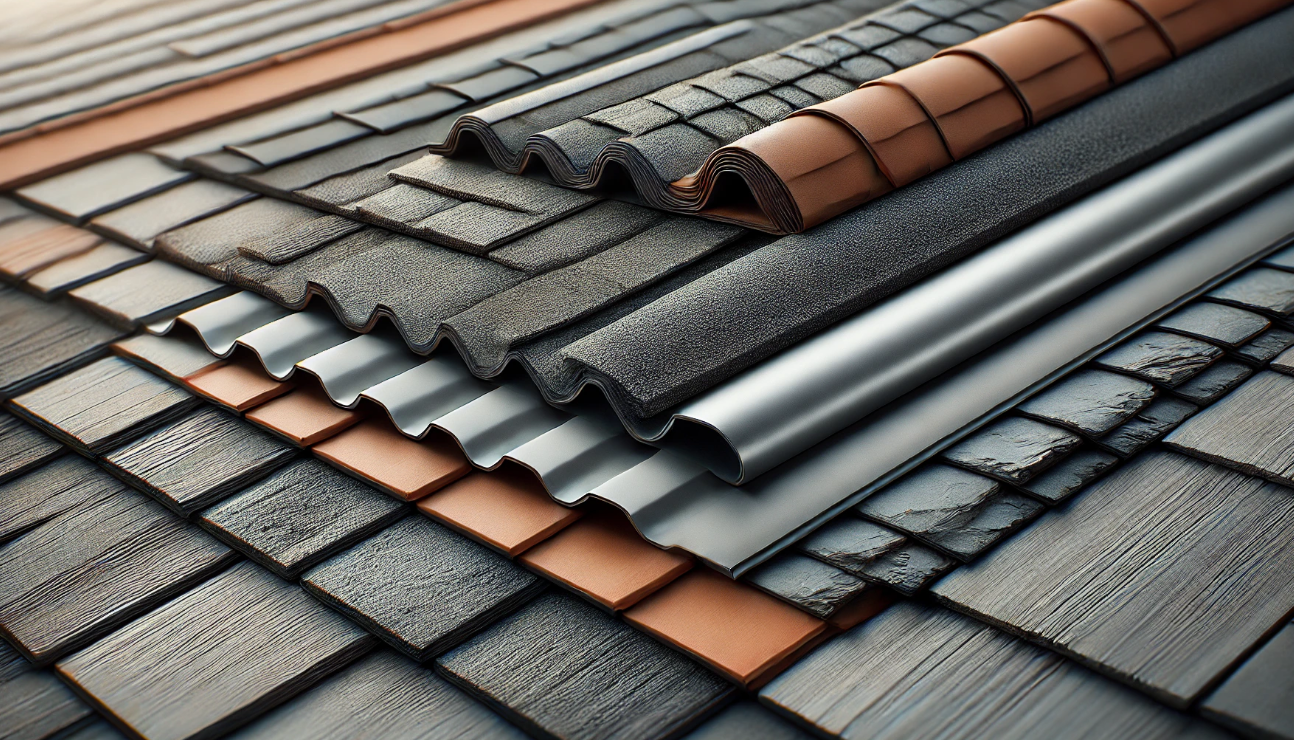

This guide examines different roofing materials to help you understand their durability and lifespan. We’ll compare the strengths and weaknesses of popular options, including asphalt shingles, metal roofing, clay tiles, wood shakes, and synthetic materials. Each material offers different benefits for protection, cost, and maintenance needs. Understanding these differences will help you make the best choice for your home with trusted roofers.
Asphalt Shingles: Pros and Cons
Asphalt shingles are the most common roofing choice because they cost less and are easy to install. They come in many colors and styles to match different home designs. These shingles provide good protection against rain and wind while needing little maintenance. However, they don’t last as long as other materials, typically 15-30 years, depending on quality. Strong winds, hot weather, and algae can damage them over time. You’ll need regular checks and repairs to keep them working well. While asphalt shingles save money upfront and offer a good variety, they may not be the best choice if you want a roof that lasts decades.
Metal Roofing: Longevity and Durability
Metal roofing offers the best durability among all roofing materials. It provides many benefits that make it worth the higher upfront cost. Here are the main advantages of metal roofing:
- Long Lifespan: Metal roofs last 40-70 years, much longer than most other materials
- High Durability: They resist fire, mold, bugs, and rot, keeping your home safe
- Excellent Weather Resistance: Metal roofs handle heavy rain, snow, and strong winds well
- Low Maintenance: They need very little care over their lifetime, saving you money
- Energy Efficiency: Reflective metal roofs keep houses cooler and reduce air conditioning costs
Clay Tiles: Traditional and Resilient
Clay tiles have been used for hundreds of years and remain a strong roofing choice. Made from natural clay and baked in ovens, they last a very long time. These tiles handle tough weather well, including wind, hail, and fire. Clay tiles give homes a classic, elegant look that many homeowners love. They work especially well in warm climates and Mediterranean-style homes. With proper installation and care, clay tile roofs can last 50-100 years. The main downsides are higher cost and weight, which may require extra roof support. Clay tiles are a good investment if you want beauty and long-term durability.
Wood Shakes: Aesthetic Appeal Vs. Longevity
Wood shakes give homes a natural, rustic look but come with durability concerns. While they’re beautiful, they require more care than other materials. Here are key points about wood shakes:
- Aesthetic Appeal: Wood shakes create a charming, natural appearance for homes
- Natural Insulation: Wood provides good insulation, helping control indoor temperatures
- Regular Maintenance: Wood shakes need frequent care to prevent rot, mold, and bug damage
- Limited Lifespan: They typically last 20-30 years, shorter than many other options
- Fire Hazard: Wood shakes can catch fire more easily than fire-resistant materials
Synthetic Roofing Materials: Innovation and Strength
Synthetic roofing materials combine modern technology with durability. These man-made options, like synthetic slate and rubber roofing, look great while lasting long. Synthetic slate copies the appearance of real slate but weighs less and costs less. Rubber roofing, often made from recycled materials, handles harsh weather well and helps the environment. These materials resist extreme heat and cold, bounce back from impacts, and need little maintenance. They typically last 30-50 years and offer good value. Synthetic materials give homeowners modern, reliable roofing that performs well over time.
Related Topics: