



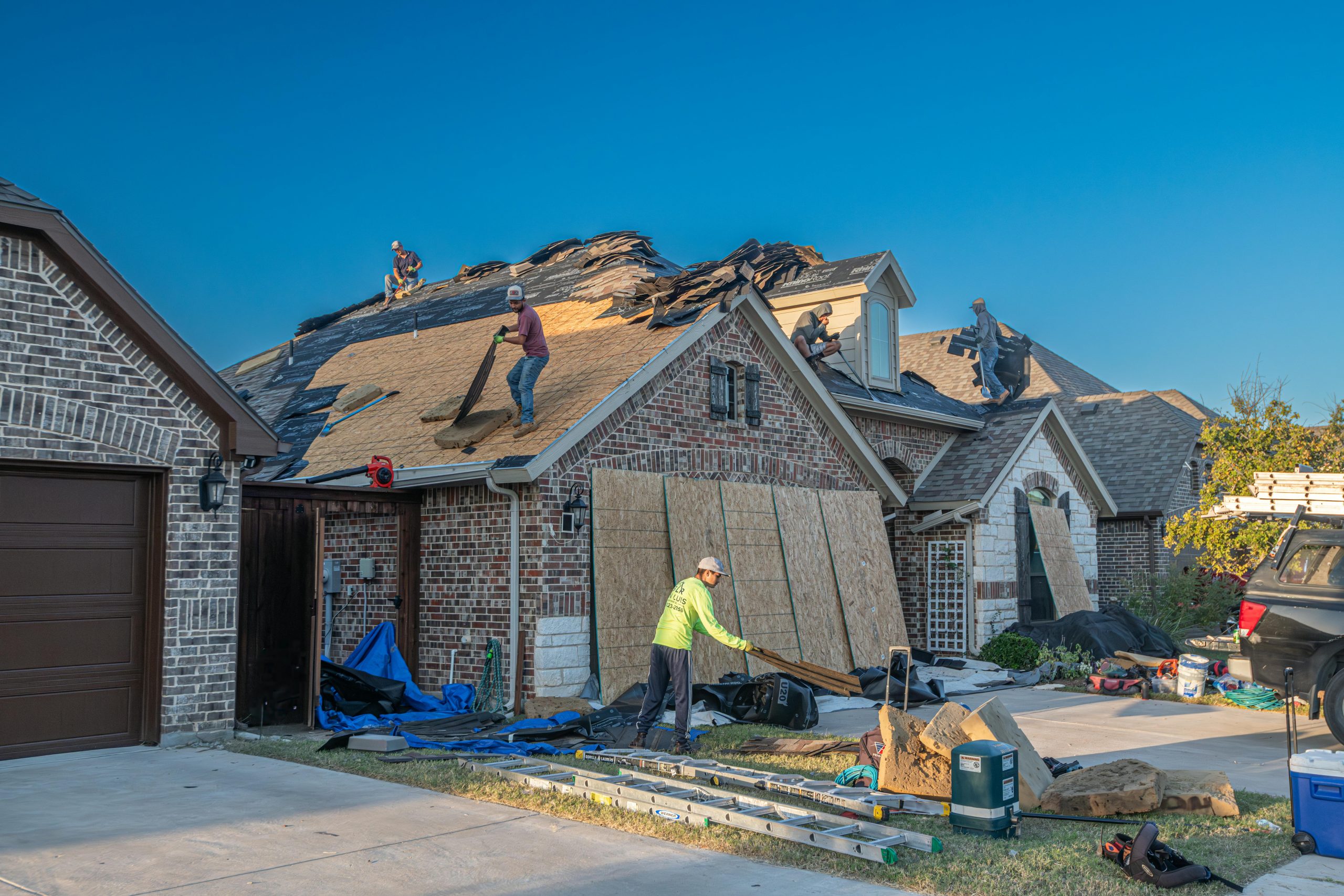

Most roof problems do not announce themselves in obvious ways. A stain shows up, a drip starts after heavy rain, or something just feels off. People who have worked with reliable residential roofing services usually learn that knowing what tends to go wrong helps avoid panic when something does. This isn’t about memorizing fixes. It’s about understanding what roof repairs show up again and again, and why they should not be ignored.
Roof Leak Repair
Leaks rarely come from where water shows inside the house. Water moves, sometimes far from the entry point, before it makes itself known. A ceiling stain might trace back to flashing near a chimney or a vent several feet away. Sealant failure is another common issue, especially around penetrations that see constant movement from temperature changes. A proper repair focuses on stopping water at the source and checking nearby areas that may have been quietly affected for a while.
Shingle Replacement
Shingles wear out in uneven ways. Some fail fast after a storm, while others slowly curl or lose their grip over time. Missing or damaged shingles leave the roof exposed, even if the rest still looks fine from the ground. Replacing those weak spots helps keep water out of the layers underneath. The work has to be done carefully, since rushed replacements often create new problems instead of fixing old ones.
Flashing Maintenance
Flashing does a job most homeowners never notice until it stops doing it. These metal sections protect the most vulnerable areas of a roof, where surfaces meet or change direction. Over time, flashing can loosen, rust, or pull away as the roof shifts. Small gaps are enough for water to slip through. Keeping flashing in good shape plays a big role in keeping the rest of the roof dry.
Gutter Cleaning and Repair
Gutters are easy to forget until water starts spilling where it shouldn’t. When debris builds up, water backs up along the roof edge and soaks into places that were never meant to stay wet. Fascia boards, siding, and even foundations can take the hit. Gutters also sag, leak, or separate at seams as they age. Keeping them clear and properly aligned helps water move away from the house instead of into it.
Soffit and Fascia Fix
Soffit and fascia issues often show up quietly. Paint starts peeling, wood feels soft, or small gaps appear along the roof edge. Moisture and pests are usually the cause. These areas support the roof and help control airflow, so damage here should not be brushed off. Repairs help keep moisture out and protect the structure behind the visible surface.
Chimney Inspection and Repair
Chimneys tend to cause trouble because so many materials meet in one place. Brick, mortar, metal, and roofing all react differently to weather. Cracks in masonry let water in, and failing flashing around the base makes the problem worse. If ignored, that moisture can damage the roof and the chimney itself. Regular inspection and timely repairs help prevent bigger issues from forming around this high-risk area.
Related Topics: