



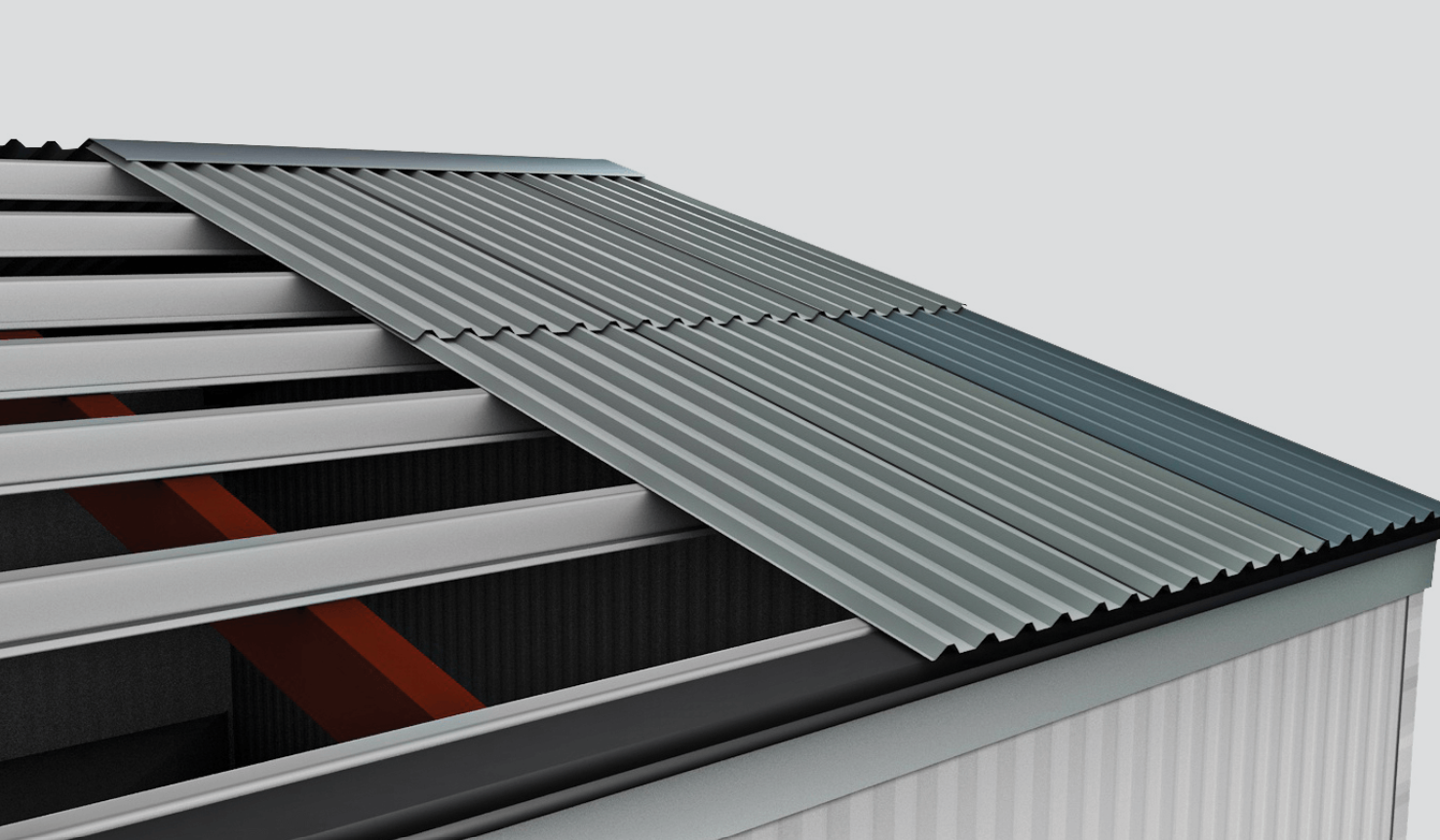

Roofing experts recognize that understanding your roof’s anatomy enables homeowners to make more informed decisions about maintenance, repairs, and replacements. Many people think of their roofs as just shingles, but there’s a complex system of components working together to protect your home from weather and environmental damage. Learning about these different parts and how they work together provides you with the knowledge to communicate effectively with contractors, identify potential problems early, and make informed decisions about roofing materials and maintenance. This guide breaks down the key components of your roof system in simple terms that any homeowner can understand.
Roof Components Overview
Your roof consists of several key components that work together to protect your home from the elements. The roof covering is the outermost layer visible from the ground – this includes shingles, tiles, or metal panels that shed water and resist weather. Underneath this covering lies the roof sheathing, typically made of plywood or oriented strand board (OSB), which provides a solid surface for attaching the roof covering. The roof framework made up of rafters or trusses forms the skeleton that supports the entire roof system and transfers weight to your home’s walls. Roof flashing, made from metal or other waterproof materials, seals vulnerable areas such as valleys, chimneys, and where different roof planes meet. Each component plays a specific role in keeping water out and maintaining the structural integrity of your roof.
Understanding Roof Decking
Roof decking serves as the foundation layer that everything else in your roofing system builds upon. This structural layer, usually made from plywood or OSB panels, gets installed directly on top of the roof trusses or rafters to create a solid, continuous surface. The decking distributes the weight of your roof covering and any additional loads, such as snow or equipment, evenly across the supporting framework. Good decking prevents sagging and provides a stable base for attaching underlayment and roofing materials. When decking is damaged by water leaks or age, it can compromise your entire roof system, so it’s essential to address any decking problems promptly. The thickness and quality of your roof decking affect significantly impact how well your roof performs and its longevity.
Importance of Roof Underlayment
Roof underlayment serves as a secondary protection system, preventing water damage when your primary roofing materials fail or become damaged. This protective layer is installed directly on the roof decking before the final roofing material is applied on top. Underlayment creates a waterproof barrier that protects your roof deck and home interior from water infiltration caused by wind-driven rain, ice dams, or damaged shingles. It also provides temporary weather protection during roof installation or repairs. Different types of underlayment offer varying levels of protection – from basic felt paper to advanced synthetic materials that resist tearing and UV damage. Quality underlayment significantly extends your roof’s lifespan by preventing moisture from reaching the wood structure underneath. This secondary defense system is especially important in areas prone to severe weather or ice formation.
Exploring Roofing Materials
The choice of roofing material has a significant impact on your roof’s performance, appearance, and longevity. Here are the main options and their characteristics:
- Asphalt Shingles: The most popular choice due to affordability and easy installation, typically lasting 15-25 years with moderate maintenance requirements.
- Metal Roofing: Offers excellent durability and energy efficiency, often lasting 40-70 years while reflecting heat to reduce cooling costs.
- Wood Shakes: Provide natural beauty and good insulation but require regular maintenance and may not be suitable in fire-prone areas.
- Clay Tiles: Known for longevity and distinctive appearance, especially in Mediterranean or Southwestern architectural styles, lasting 50+ years.
- Slate: Premium material offering exceptional durability and elegance, often lasting 100+ years but requiring specialized installation and higher costs.
Roof Maintenance Tips
Regular roof maintenance prevents small problems from becoming expensive major repairs and helps your roof reach its expected lifespan. Inspect your roof at least twice per year, ideally in spring and fall, looking for damaged, missing, or curling shingles that need replacement. Check for signs of algae or moss growth that can trap moisture and damage roofing materials over time. Keep tree branches trimmed back from your roof to prevent damage during storms and reduce the accumulation of debris. Clean gutters regularly to prevent water backup that can cause leaks and ice dams. Inspect metal components, such as flashing and fasteners, for signs of rust and address any corrosion promptly. Make sure your attic has proper ventilation to prevent moisture buildup and ice dam formation. Address any problems you find promptly to prevent them from worsening and causing more extensive damage.
Related Topics:
- Questions to Ask a Roofer to Choose the Right Professional
- Ice and Water Shields: Everything You Need to Know for Roof Protection