



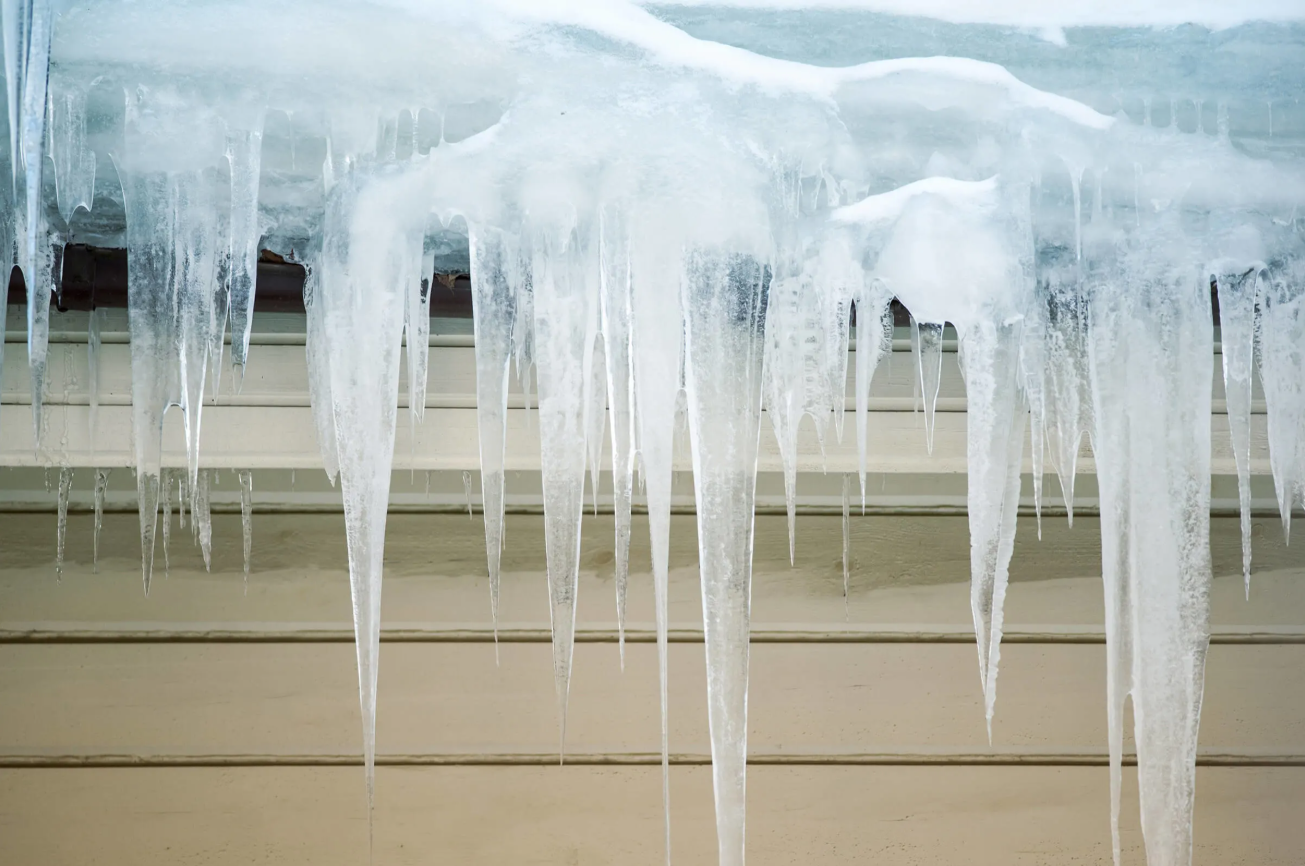

Ice and water shields are specialized roofing materials that provide critical protection against water damage, yet many homeowners don’t fully understand what they do or why they’re needed. These protective barriers have become increasingly important as building codes recognize their value in preventing costly water damage from ice dams and severe weather. Any reputable roofing company in Fairfax will tell you that ice and water shields can save thousands of dollars in potential water damage repairs. This guide covers everything you need to know about these protective systems, from their operation to proper installation and maintenance practices.
Importance of Ice and Water Shields
Ice and water shields serve as your roof’s insurance policy against water damage by creating a waterproof barrier that protects vulnerable areas of your roofing system. These shields serve as a backup protection layer, preventing water from reaching your roof deck when shingles fail or are damaged by severe weather. They’re especially important in areas prone to ice dams, where melting snow can back up under shingles and cause leaks. Valleys, eaves, and areas around roof penetrations, such as chimneys and skylights, are particularly vulnerable to water infiltration and greatly benefit from shield protection. Without this protection, water that gets past your primary roofing materials can cause extensive damage to roof decking, insulation, and interior spaces. The cost of installing ice and water shields is minimal compared to the potential expense of repairing water damage throughout your home.
How Ice and Water Shields Work
Ice and water shields function by creating a completely waterproof membrane that seals directly to your roof deck. Here’s how these protective systems work:
- Self-Adhesive Technology: The shields feature a strong adhesive backing that bonds permanently to the roof deck, creating a watertight seal that relies on no mechanical fasteners.
- Temperature Resistance: These materials are designed to withstand extreme temperatures without cracking or losing adhesion, maintaining their protective qualities in both hot summers and cold winters.
- Flexible Design: The flexible nature of ice and water shields enables them to conform to roof contours and movement, maintaining their seal even as the roof expands and contracts due to temperature changes.
Benefits of Using Ice and Water Shields
Installing ice and water shields provides multiple layers of protection that go beyond basic water resistance. These shields create a waterproof barrier that stops moisture from penetrating vulnerable roof areas where leaks commonly occur. They offer superior protection against ice dams that form when snow melts and refreezes at roof edges, potentially forcing water under shingles. The shields also protect against wind-driven rain that can be forced under roofing materials during severe storms. By adhering directly to the roof deck, they provide continuous protection even if shingles get damaged or blown off. The self-sealing properties mean they automatically seal around nails and fasteners, eliminating potential leak points. This comprehensive protection helps maintain your roof’s integrity, prevents costly interior damage, and provides peace of mind during harsh weather conditions.
Installation Tips for Ice and Water Shields
Proper installation is crucial for ice and water shields to deliver the protection they’re designed to provide. Here are key installation guidelines:
- Surface Preparation: Make sure the roof deck is completely clean, dry, and free of debris, nails, or other materials that could puncture or interfere with proper adhesion.
- Correct Overlapping: Follow the manufacturer’s specifications for overlapping shield sections, typically 2-3 inches, to create continuous, waterproof coverage without gaps where water could penetrate.
- Proper Sealing: Use a hand roller to firmly press the shield against the roof deck, removing air bubbles and creating a strong bond that will maintain its seal over time.
Maintenance and Inspection Guidelines
Regular maintenance and inspection help your ice and water shields continue protecting your roof for many years. Conduct annual inspections to look for signs of damage, such as tears, cracks, or areas where the shield may be pulling away from the roof deck. Remove debris such as leaves, branches, and dirt that can accumulate on the shield surface and potentially trap moisture. Check the seals around roof penetrations, such as vents, chimneys, and skylights, to ensure they remain watertight. Pay special attention to shield edges and overlaps where problems often develop first. During inspections, look for areas where the shield’s adhesion to the roof substrate may have weakened and address any issues promptly. If you notice any damage or potential problems, contact a professional roofer for repairs to maintain the shield’s protective qualities.
Related Topics:
- Felt Vs Synthetic Underlayment: Key Differences You Should Know
- How Roofing Underlayment Helps Protect Your Home: A Complete Guide