



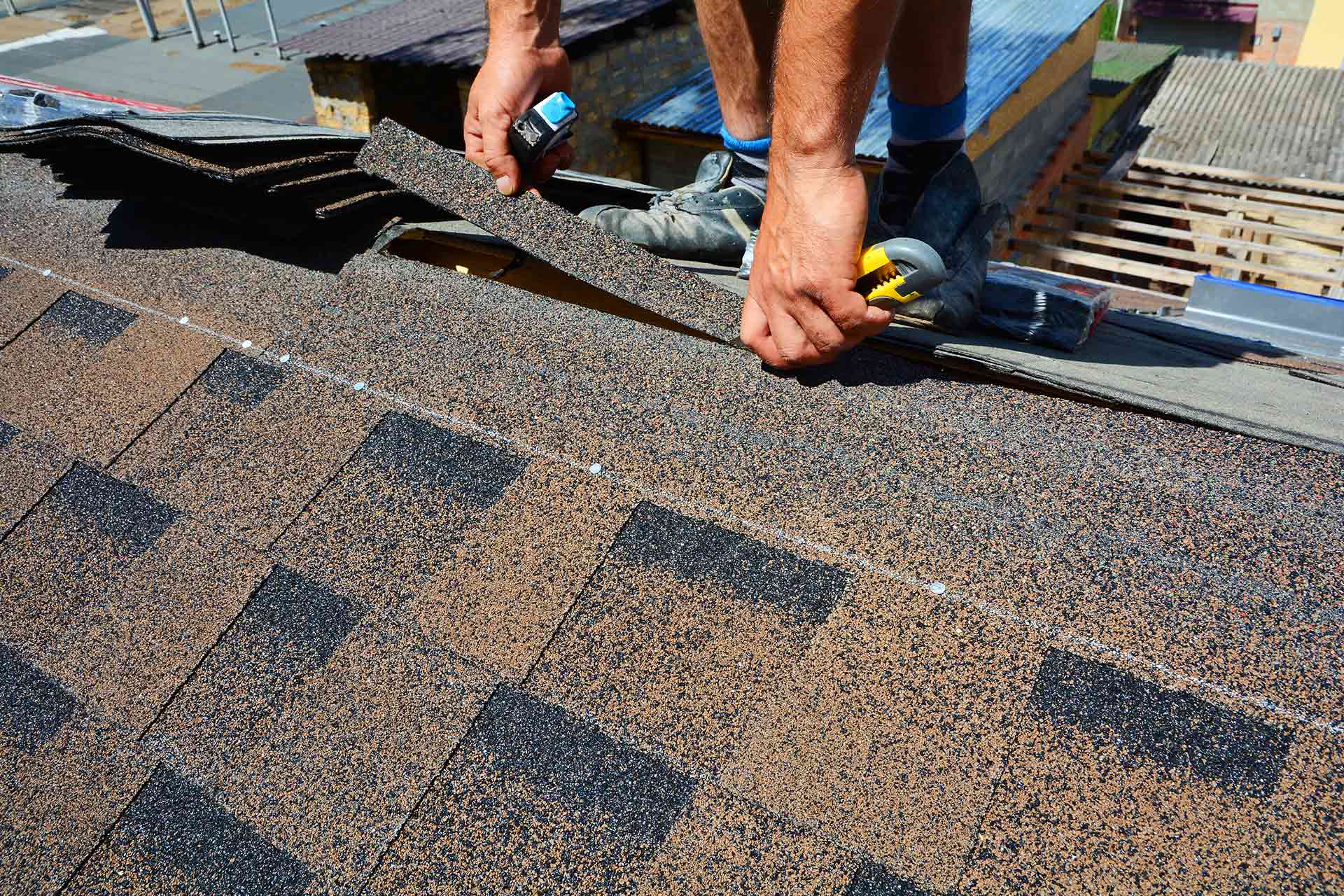

Choosing the right underlayment for your roof is one of the most crucial decisions you’ll make during a roofing project. Yet, many homeowners are unaware of the differences between their options. Felt and synthetic underlayment each have distinct advantages and drawbacks that affect everything from installation ease to long-term performance. Understanding these differences helps you make an informed choice that aligns with your budget, climate, and roofing objectives. Whether you’re working with contractors or planning a DIY project, knowing these key differences helps you work more effectively with a reliable moving team of materials and workers.
Durability Comparison
Felt and synthetic underlayment differ significantly in their ability to withstand wear and tear over time and under stress. Traditional felt underlayment, made from organic materials like wood cellulose or recycled paper, provides decent protection but can tear easily during installation or in high winds. The organic materials in felt also make it more susceptible to deterioration from moisture and UV exposure over time. Synthetic underlayment, typically made from polyethylene or polypropylene materials, offers much better tear resistance and overall durability. These synthetic materials don’t break down as quickly when exposed to moisture, UV rays, or temperature changes. Synthetic options also resist mold and mildew growth better than felt, which can be important in humid climates. For roofing projects where longevity is a priority, synthetic underlayment typically offers better long-term value despite its higher upfront cost.
Installation Process Variations
The way you install felt and synthetic underlayment differs in several important ways that affect both the process and final results. Felt underlayment typically gets attached to the roof deck using nails or staples, with overlapping seams sealed using roofing cement to prevent water infiltration. This process requires more time and materials since you need to apply sealant to every overlap. Synthetic underlayment often installs faster because it uses plastic cap nails or staples that create a watertight seal when properly installed. Many synthetic products also have printed layout lines that help installers maintain proper overlap spacing. The synthetic material is generally easier to handle during installation since it’s less likely to tear or wrinkle. However, both materials require careful attention to manufacturer guidelines to achieve proper performance and warranty coverage.
Cost Analysis
Understanding the true cost difference between felt and synthetic underlayment requires looking beyond just the initial purchase price. Felt underlayment costs significantly less upfront, making it an attractive option for budget-conscious projects or situations where basic protection is needed. Synthetic underlayment typically costs 2-3 times more than felt initially, which can add several hundred dollars to the cost of a roofing project. However, the cost analysis becomes more complex when you consider long-term value. Synthetic underlayment’s superior durability means it often lasts longer and provides better protection, potentially reducing future maintenance and replacement costs. The improved moisture resistance and tear strength of synthetic materials can also help prevent expensive leak damage. When calculating total project costs, consider both the immediate expense and the long-term benefits to determine which option provides better value for your specific situation.
Environmental Impact Assessment
The environmental effects of felt and synthetic underlayment present different trade-offs that environmentally conscious homeowners should consider. Felt underlayment has some environmental advantages since it’s made from recycled materials and is biodegradable at the end of its life. However, the production process for felt can release volatile organic compounds (VOCs) into the atmosphere. Synthetic underlayment, made from petroleum-based materials like polypropylene or polyester, is not biodegradable and will persist in landfills indefinitely. On the positive side, synthetic materials typically last longer, which means less frequent replacement and potentially less overall waste over time. Some synthetic products also offer better resistance to mold and mildew, which can improve indoor air quality. The energy consumption and carbon footprint of manufacturing each type also differ, with synthetic materials generally requiring more energy to produce.
Performance in Extreme Conditions
The performance of underlayment during severe weather often determines whether your roof protects your home or allows damaging leaks. Felt underlayment faces several challenges in extreme conditions – it can become brittle and crack in intense heat, while cold temperatures can make it stiff and prone to tearing. Felt also absorbs moisture, which can compromise its protective qualities and lead to deterioration over time. Heavy rain or snow can saturate felt, reducing its effectiveness when you need protection most. Synthetic underlayment handles extreme conditions much better thanks to its engineered materials. It stays flexible in both hot and cold temperatures, maintaining its protective seal regardless of weather. Synthetic materials also repel water rather than absorb it, providing consistent protection even during extended wet periods. In areas prone to severe weather, such as hurricanes or extreme temperature swings, synthetic underlayment typically provides more reliable protection.
Related Topics:
- How Roofing Underlayment Helps Protect Your Home: A Complete Guide
- Anatomy of a Roof: A Homeowner’s Guide to Roof Structure