



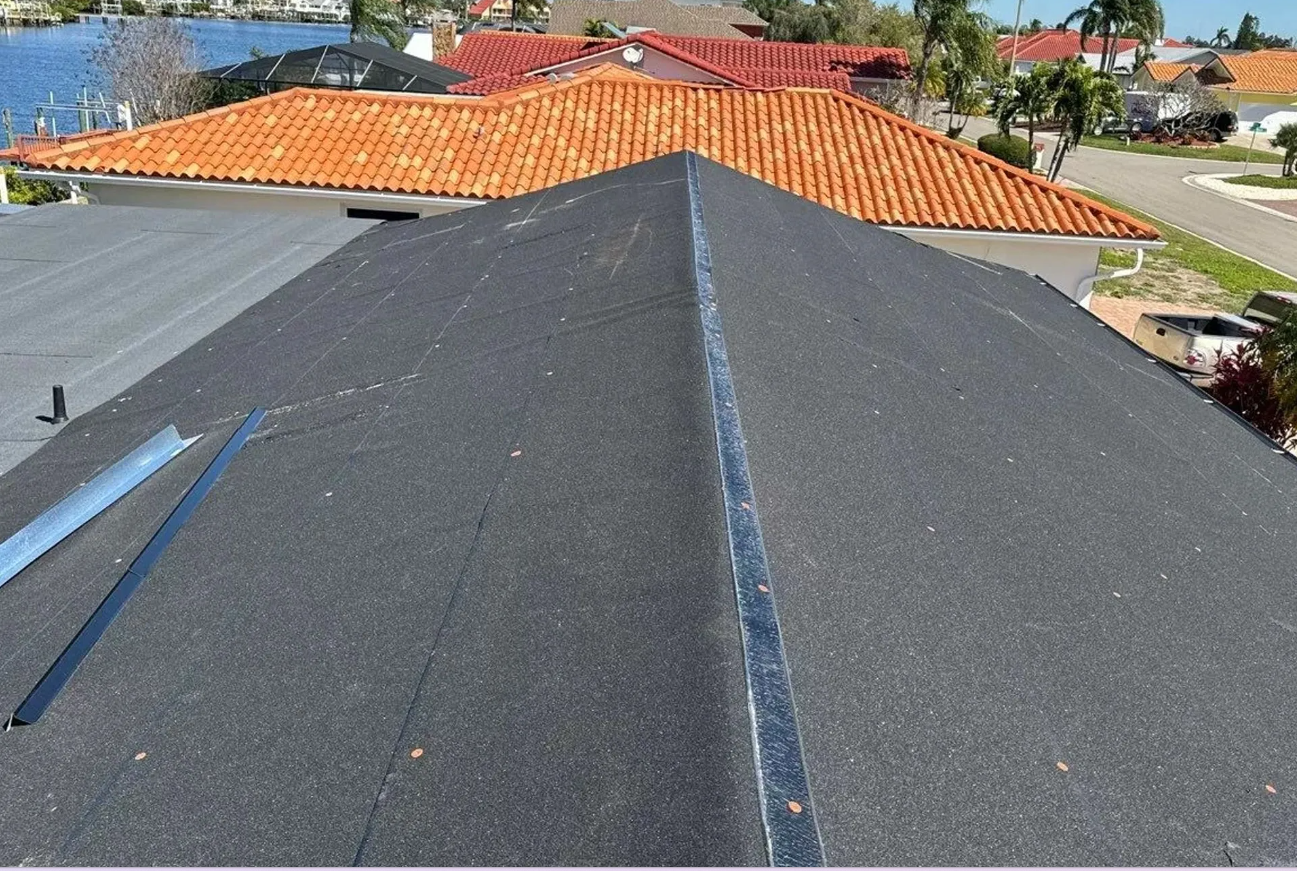

Roofing underlayment is one of the most overlooked yet important components of your roofing system, working behind the scenes to protect your home from water damage and weather-related problems. Many homeowners focus on shingles and gutters while ignoring this protective barrier that sits directly on your roof deck. Understanding what underlayment does and why it matters helps you make better decisions about your roof and work more effectively with comprehensive roofers who understand the importance of quality installation. This guide provides comprehensive information on roofing underlayment, covering its protective benefits and essential maintenance practices.
Importance of Roofing Underlayment
Roofing underlayment serves as your roof’s secondary protection system, providing a waterproof barrier when your primary roofing materials fail or become damaged. This secondary defense layer sits directly on your roof deck underneath the shingles, creating a seal that prevents water from reaching the wood structure of your home. Without proper underlayment, even small leaks in your shingles can cause extensive damage to roof decking, insulation, and interior spaces. The underlayment also protects roof installation, keeping your home dry if rain occurs before the shingles are completely installed. This protective layer helps your roof withstand extreme weather conditions, such as wind-driven rain, ice dams, and heavy snow, that can force water under normal roofing materials. Investing in quality underlayment significantly extends the lifespan of your roof and prevents costly water damage repairs.
Types of Underlayment Materials
Different underlayment materials offer various levels of protection and performance depending on your climate, budget, and roofing needs. Asphalt-saturated felt, commonly referred to as tar paper, is the traditional choice that provides good basic protection against water infiltration at an affordable price. This organic material works well in moderate climates but can deteriorate more quickly in extreme conditions. Rubberized asphalt underlayment provides superior waterproofing and tear resistance compared to standard felt, making it an ideal choice for areas prone to severe weather conditions. Synthetic underlayment, made from polypropylene or polyester, provides excellent durability, UV resistance, and lightweight handling, making installation easier. Ice and water shields are specialized, self-adhering membranes used in vulnerable areas, such as eaves, valleys, and around roof penetrations. Each material type has specific advantages, and the right choice depends on your local climate, roof design, and budget considerations.
Installation Process and Guidelines
Proper installation of roofing underlayment requires careful attention to detail and adherence to manufacturer specifications for optimal results. Start the installation at the eaves (bottom edge) of the roof and work your way up toward the ridge, overlapping each row according to the manufacturer’s recommendations, typically 2-6 inches, depending on the material. Use appropriate fasteners, such as plastic cap nails or staples, that penetrate the roof deck without causing damage or creating leak points. Around roof penetrations, such as vents, chimneys, and skylights, cut the underlayment carefully to fit snugly and seal these vulnerable areas properly. Make sure the underlayment lies flat without wrinkles or gaps that could allow water infiltration. Please pay special attention to valleys and other areas where water naturally collects, as they often require additional layers or specialized materials for extra protection.
Benefits of Proper Underlayment
Quality underlayment installation provides multiple benefits that protect both your roof and your entire home. The primary benefit is water protection – underlayment prevents moisture from reaching your roof deck, even when shingles get damaged or blown off during storms. This secondary barrier also improves your roof’s overall weather resistance against wind-driven rain, ice dams, and other extreme conditions. Underlayment can improve your home’s energy efficiency by providing an additional insulation layer that helps reduce heat transfer. During roof installation or repairs, underlayment protects your home’s interior from weather exposure until the final roofing materials are in place. Good underlayment also helps prevent ice dam formation by creating a smooth, waterproof surface that allows melting snow to drain properly. These combined benefits help extend your roof’s lifespan and maintain your home’s structural integrity for many years to come.
Maintaining and Inspecting Underlayment
Regular inspection and maintenance help your roofing underlayment continue protecting your home effectively over its expected lifespan. Check your underlayment at least once a year, preferably during spring or fall when weather conditions are mild. Look for signs of damage, such as tears, wrinkles, punctures, or areas where the material is pulling away from the roof deck. Pay special attention to exposed areas around vents, chimneys, skylights, and other roof penetrations where problems often develop first. Check that the underlayment remains properly sealed at the edges and overlaps to prevent water seepage. If you notice any damage during inspections, address it promptly to maintain the integrity of your roof’s protective layer. While some minor repairs might be possible, significant damage usually requires professional replacement to restore full protection. Document any issues you find and consider having a professional roofer assess the damage that might not be immediately obvious.
Related Topics:
- Anatomy of a Roof: A Homeowner’s Guide to Roof Structure
- Questions to Ask a Roofer to Choose the Right Professional