




Finding replacement vinyl siding for your home can seem overwhelming at first. This guide breaks down the process into simple, manageable steps that any homeowner can follow. Working with the best roofers in Fairfax can help you coordinate your siding project with any roofing needs you may have. Each step builds on the previous one to help you make smart choices about your home’s exterior. By the end of this guide, you’ll know exactly how to find and install the perfect siding for your home.
Assessing Your Current Siding
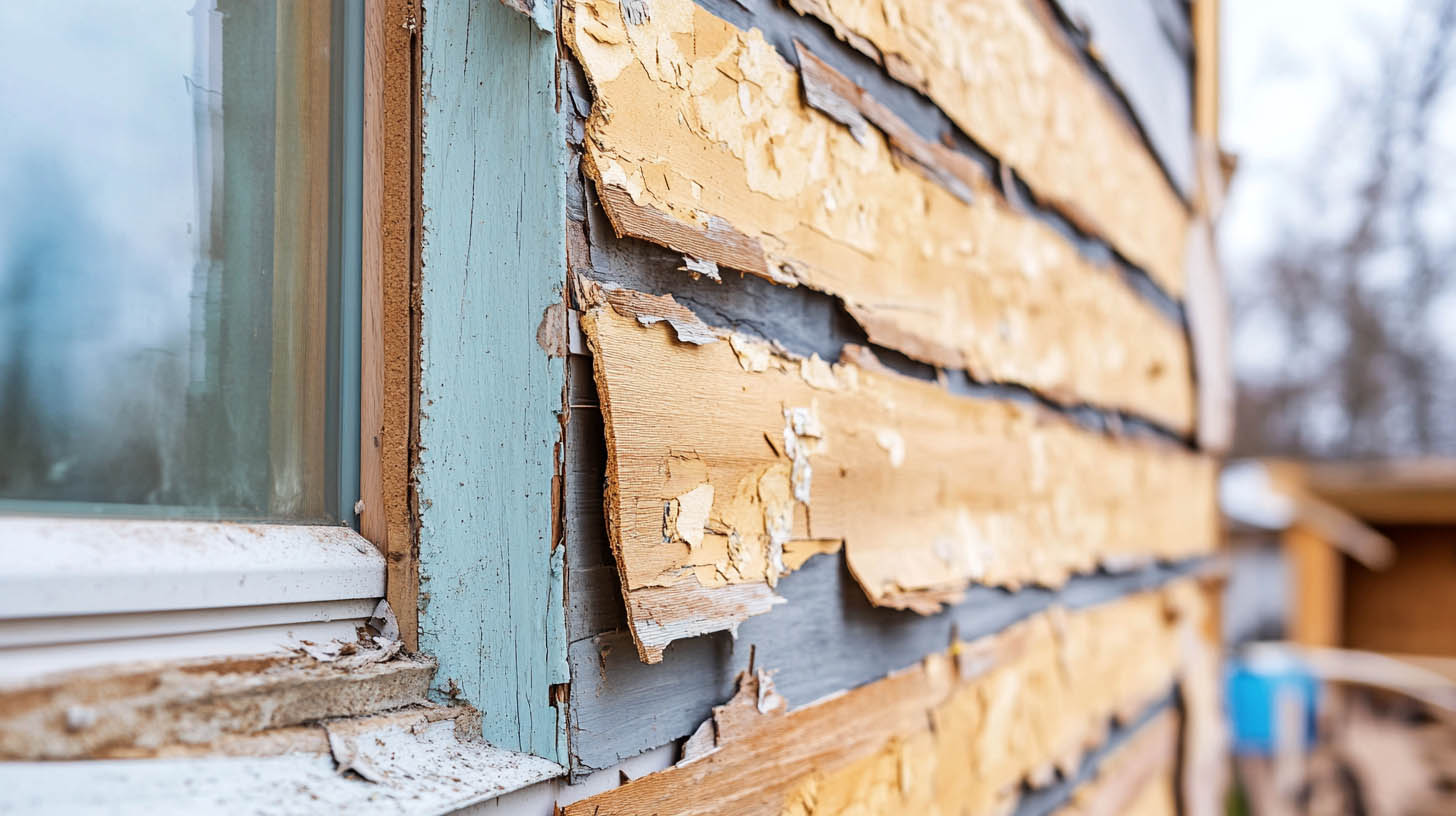
Start by checking your current replacement vinyl siding for any problems that need attention. Look closely at the surface for cracks, chips, or warping that could let water in. Check for discoloration, mold, or mildew growth, which shows moisture problems. Examine the seams and edges for gaps or separation that can cause leaks. Test the siding strength by gently pressing different areas to see if it feels soft or brittle. Note any dents or holes that affect how well it works. A complete check gives you a clear picture of your siding’s condition and helps you decide if you need replacement.
Measuring for Replacement Siding
Take careful measurements to get the right amount of siding for your project. Measure the height and width of each wall that needs new siding. Multiply height by width to find the square footage for each wall. Subtract the area of windows and doors from your total wall measurements. Measure windows and doors separately for better accuracy. Round up all measurements to the nearest foot so you have enough material. Mark any special features like dormers or angled walls that need custom cuts or extra siding pieces.
Choosing the Right Style
Pick a siding style that matches your home’s design and the look you want. Study your house’s existing features like the roof, windows, and doors to find siding that works well with them. Traditional homes look great with siding that looks like wood, while modern homes often suit smooth, clean panels. Think about your neighborhood’s color scheme and choose siding colors that fit well with nearby homes. Consider adding trim and accent pieces to enhance the overall appearance. The right style choice creates an attractive exterior that lasts for years to come.
Researching Reputable Suppliers
Look online for reviews and ratings to find trusted suppliers of replacement vinyl siding in your area. Find suppliers with good feedback about product quality, customer service, and reliability. Use websites like Angie’s List, Yelp, and the Better Business Bureau for helpful information. Check home improvement forums where homeowners share experiences and recommendations. Once you have potential suppliers, visit their websites, look for certifications, and ask for references. Good research helps you choose a reliable source for your siding needs.
Comparing Material Options
Look at different materials to find the best option for your home and budget. Vinyl siding costs less, needs little maintenance, and comes in many designs. Fiber cement siding lasts longer and resists fire and pests better. Wood siding offers a classic appearance but requires more maintenance. Aluminum siding lasts a long time and doesn’t rust, but dents easily. Think about your local weather, budget, and how much maintenance you want to do. Each material has good and bad points, so choose based on what matters most to you.
Budgeting and Planning for Installation
Plan your budget carefully and create a timeline for your siding project. Get quotes from several contractors to compare prices and services. Include extra costs like permits, disposal fees, and unexpected repairs. A detailed budget helps you spend money wisely and avoid going over budget. Create a timeline that outlines each step of the installation, taking into account weather and contractor schedules. Effective planning ensures a smooth installation and prevents delays. With careful budgeting and planning, you can complete your siding project successfully and efficiently.
Related Topics: