



Choosing the best siding for homes involves understanding several important factors that affect your decision. Your local climate, budget, maintenance preferences, and style goals all play key roles in selecting the right material. Different siding types work better in certain conditions and offer unique benefits. Working with a reputable roofing contractor can help guide you through these choices and ensure proper installation. This guide explains the main factors to consider when picking siding for your house.
Climate and Weather Conditions
Your local weather patterns should guide your siding choice. In humid coastal areas, vinyl siding is an effective choice because it resists moisture and salt damage. Areas with hot summers and cold winters need durable materials like fiber cement that handle temperature changes. Wood siding looks great, but it needs more care in wet climates to prevent rot and mold. In dry, sunny regions like the Southwest, stucco offers excellent insulation and withstands intense heat. Matching your siding to your climate not only protects your home but also keeps it looking good.
Budget and Cost Considerations
Different siding materials have different price points and long-term costs. Vinyl siding costs less upfront and requires minimal maintenance, making it a budget-friendly option. Fiber cement costs more initially but lasts longer and needs repainting less often, saving money over time. Wood siding can be expensive due to regular painting and staining needs. Metal siding, such as aluminum or steel, falls within the middle price range and offers good durability. Think about both your current budget and future maintenance costs when deciding.
Maintenance and Longevity
Different siding types require different levels of care and last varying amounts of time:
Vinyl Siding:
- Needs only occasional cleaning with a garden hose
- Lasts 20-40 years, depending on quality and weather
- May fade over time, but newer types keep color better
Fiber Cement Siding:
- Needs repainting every 5-10 years, but is very durable
- Can last 50+ years, making it a smart long-term choice
- Resists rot, fire, and pests, requiring less maintenance
Aesthetics and Curb Appeal
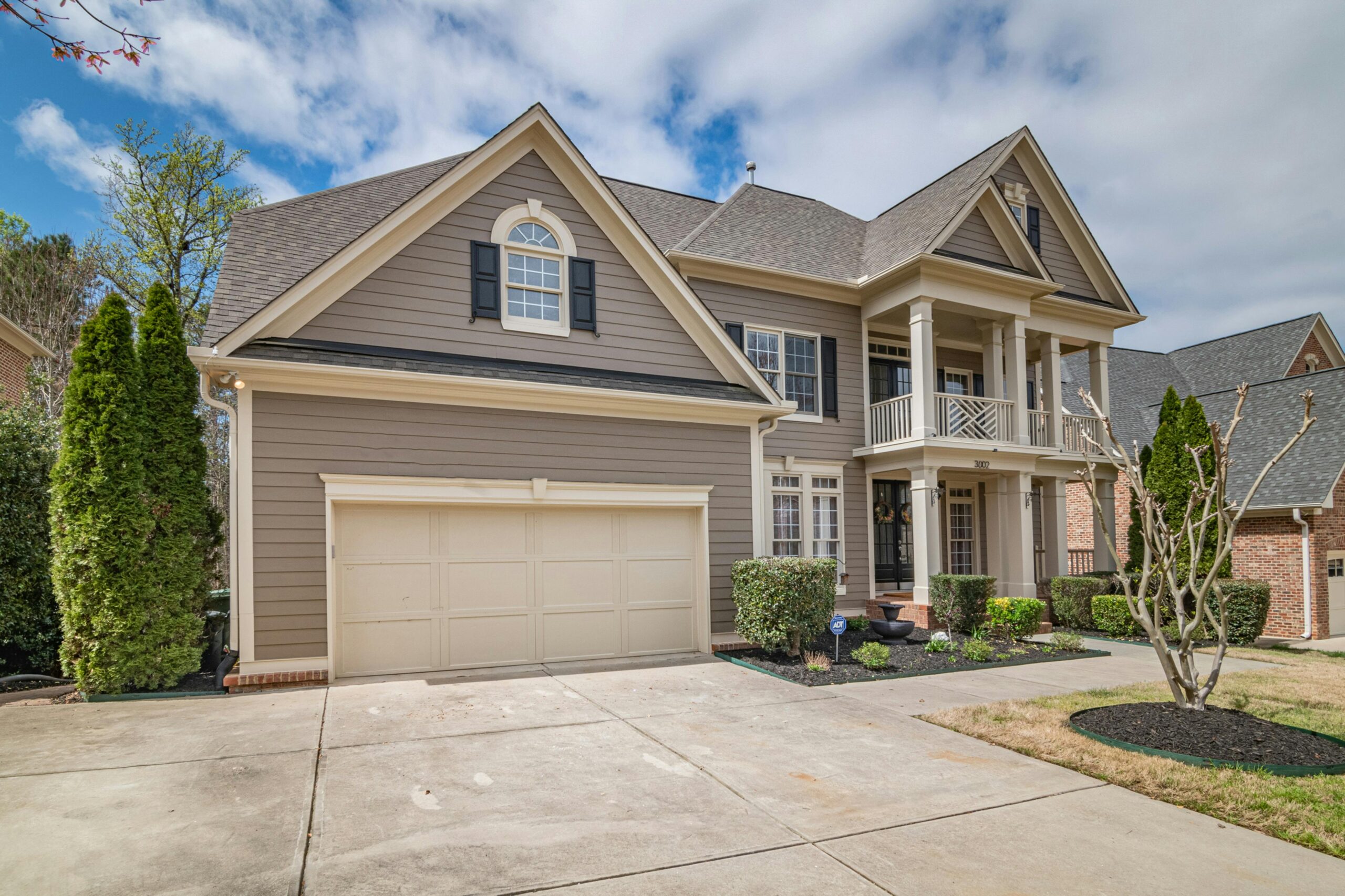
Your siding should match your home’s style and boost its appearance. Think about your home’s design – traditional, modern, or rustic – and pick siding that fits well. Wood siding offers a classic, warm appearance, while vinyl siding comes in a variety of colors and textures. Fiber cement can resemble wood or stucco, but requires less maintenance. Stone veneer adds a luxury feel and lasts a long time. Select siding that enhances the appearance of your home, making it look attractive and welcoming.
Energy Efficiency and Insulation
Good siding helps keep your home comfortable and reduces energy bills. Here’s what to look for:
- R-Value: Higher numbers mean better insulation and less heat loss
- Insulated Siding: These options add extra protection and save energy
- Air Sealing: Good siding stops air leaks, keeping indoor temperatures steady
Local Building Codes and Regulations
Check your local rules before installing any siding. Building codes specify the materials you can use, the safe installation methods, and the required appearance of your siding. Historic neighborhoods often have special rules about siding style and color. Breaking these rules can result in expensive fines or requiring you to redo your entire project. Consult with local officials or experienced contractors who are familiar with the specific requirements of your area. Understanding the rules from the start saves time, money, and headaches in the long run.
Related Topics: