



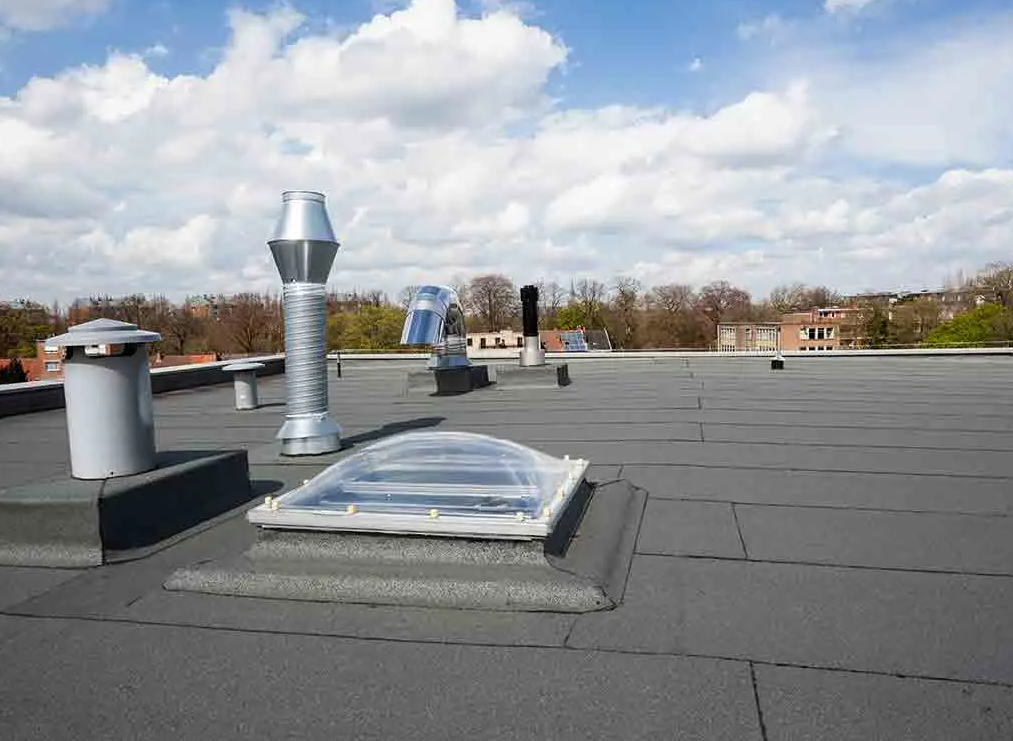

Homeowners seeking durable roofing solutions in Fairfax should understand the important role roofing felt plays in protecting their homes. This guide explains how roofing felt works as a protective layer for your roof system. You’ll learn about its waterproofing abilities and how it prevents damage from weather conditions. We’ll also cover installation tips and maintenance practices that help your roof last longer. Understanding these basics helps you make smart decisions about your roof’s protection needs.
Importance of Roofing Felt
Roofing felt acts as your roof’s hidden guardian. This layer sits between your roof deck and shingles, stopping water from reaching the wood underneath. Think of it as a safety net that catches any water that slips past your shingles. Without this protection, water seeps into your home’s structure, causing expensive damage. It also strengthens your roof against strong winds and ice buildup. When installed correctly, this simple material can significantly extend the life of your roof.
Waterproofing Properties
Roofing felt delivers strong waterproof protection through several key features:
- Water Resistance: Forms a solid barrier that blocks water from reaching your roof deck
- Seam Sealing: Closes gaps where water might sneak through
- Condensation Control: Manages moisture buildup inside your roof system
- Durability: Maintains protection for years with proper care
- Protection Layers: Adds extra defense against water damage
This waterproof shield works day and night, keeping your home dry even during heavy storms.
Protection Against Moisture
Moisture is your roof’s worst enemy. Roofing felt fights back by creating a second line of defense against water intrusion. When rain drives sideways or ice forms dams, felt prevents water from finding weak spots in your roof. This protection stops mold growth and wood rot before they start. The felt also handles moisture that comes from inside your home, keeping condensation from damaging your roof structure. Proper overlap and sealing make this protection even stronger.
Enhancing Roof Resilience
Building a tough roof requires intelligent planning. Here are proven ways to strengthen your roof system:
- Regular Inspections: Check your roof twice a year for early problems
- Proper Ventilation: Keep air flowing to prevent moisture buildup
- Quality Materials: Choose better materials that last longer
- Professional Installation: Use skilled contractors for the best results
- Protective Coatings: Add extra sealants where needed for more protection
These steps work together to create a roof that handles whatever weather comes your way.
Related Topics: