



When deciding between standing seam and corrugated metal roofing, it’s important to understand how each option performs in terms of appearance, cost, and longevity before calling affordable roofers in Fairfax to handle your installation. Standing seam roofs are known for their sleek, modern aesthetic and long-lasting performance, while corrugated metal roofs offer a rugged, industrial look that evokes traditional craftsmanship.
Both materials have unique advantages depending on your style preferences, budget, and maintenance expectations. This guide breaks down the main differences to help you make the most informed decision for your home or building.
Appearance and Style
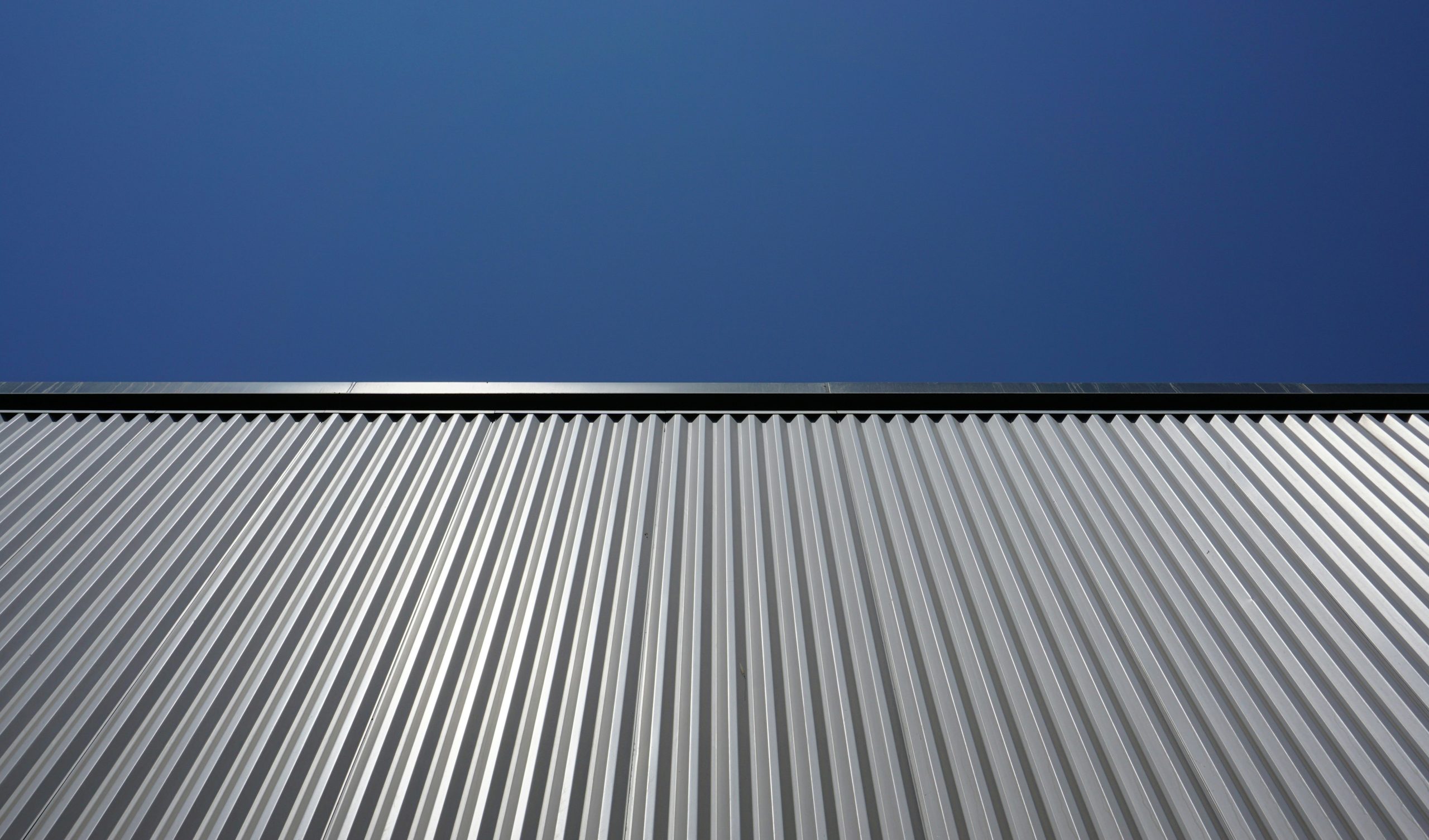
Appearance is often the first factor homeowners consider when comparing these two types of roofing. Standing seam metal roofing offers a smooth, refined surface with raised seams that create clean vertical lines. This design works beautifully for contemporary homes or properties seeking a minimalist, architectural aesthetic.
Corrugated metal roofing, on the other hand, provides a textured, rustic appearance characterized by its signature ridges and valleys. Its industrial feel adds depth and charm, often complementing barns, cabins, and farmhouse-style structures. Ultimately, the right choice depends on how you want your property to look and the impression you wish to make.
Installation Process
The installation process is another critical difference between the two. Standing seam roofing requires precise measurements and expert handling to ensure the panels align correctly. Hidden fasteners are used to secure the panels, providing a seamless appearance and added protection against leaks.
Because of the complexity of this system, professional installation is strongly recommended to guarantee durability and performance. Corrugated metal roofing, by contrast, is simpler and faster to install.
The panels are typically overlapped and fastened to the surface, making it a more budget-friendly option for property owners seeking quicker results. However, visible fasteners mean slightly higher maintenance needs over time.
Durability and Longevity
Durability is where standing seam roofing truly excels. Its interlocking panels and concealed fasteners provide a watertight seal that can withstand decades of harsh weather conditions, often lasting 50 years or more with minimal upkeep.
Corrugated metal roofing also offers solid protection but generally has a shorter lifespan, typically around 20 to 30 years, due to exposed screws and potential rusting over time. Both roofing systems benefit from high-quality materials and regular maintenance, but if your goal is long-term resilience, standing seam metal tends to be the more enduring choice.
Cost Comparison
The cost difference between standing seam and corrugated metal roofing primarily lies in the materials and labor. Standing seam roofs are more expensive upfront because they use thicker metals and require specialized installation techniques. Corrugated roofing, on the other hand, offers a more economical initial investment thanks to its simpler setup and lower labor costs.
However, when considering long-term value, standing seam roofs often prove more cost-effective. They demand less maintenance, deliver superior energy efficiency, and can even boost property value due to their sleek appearance and longevity. For those planning to stay in their homes for many years, the higher initial expense may pay off over time.
Maintenance Requirements
Maintenance expectations also differ between these two types of roofing. Standing seam roofs are designed with concealed fasteners, which greatly reduce the risk of leaks and corrosion. Routine inspections for seam integrity and debris removal are typically all that’s required to maintain performance. Corrugated metal roofs, with their exposed fasteners, need more frequent attention.
Over time, screws can loosen or the sealant may wear down, allowing moisture to seep in. Regular tightening, rust prevention treatments, and occasional resealing can extend their lifespan and preserve their appearance. The level of maintenance you’re willing to commit to can therefore influence your final decision.
Environmental Impact
Both roofing types are considered environmentally friendly options, though their sustainability features differ slightly. Standing seam roofs are often made from recyclable metals such as steel or aluminum, and their smooth surfaces reflect sunlight efficiently, lowering energy consumption and mitigating urban heat buildup. Corrugated metal roofs are also recyclable and can last for decades before needing replacement, thereby reducing waste and environmental impact.
Each can accommodate solar panels and rainwater collection systems, supporting eco-conscious building practices. Standing seam roofs tend to outperform slightly in heat reflection and water management, but both contribute positively to a greener, more sustainable property design.
Related Topics:
- Slate Roofing vs. Tile Roofing: Pros, Cons, and Cost Comparison
- What is Flashing in Roofing and How Does It Prevent Leaks