



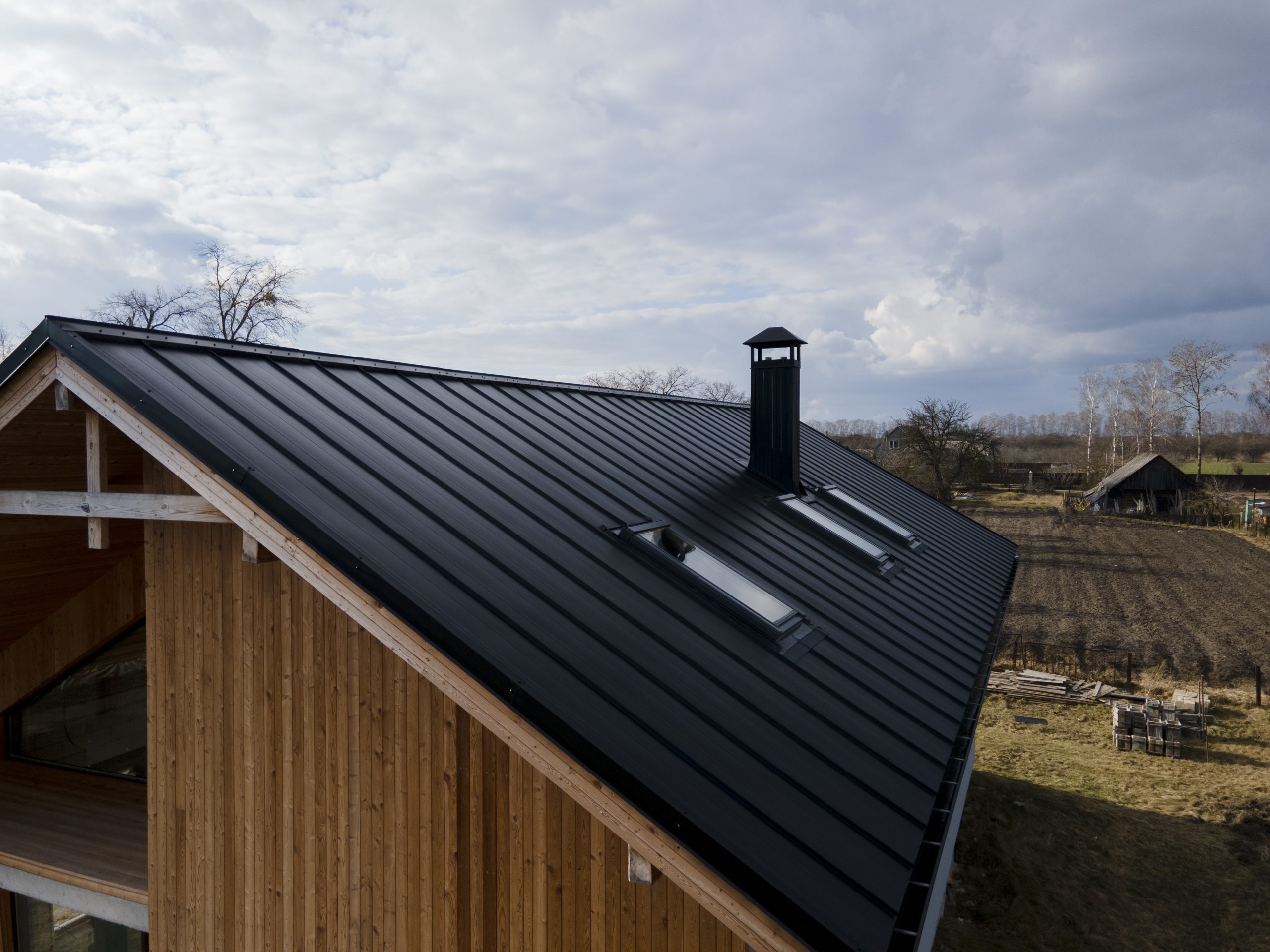

When learning about flashing in roofing, it’s essential to understand its crucial role in protecting your home from water intrusion. Flashing acts as a durable shield that seals out moisture and prevents leaks in vulnerable areas of the roof. Installed by an expert residential roofing contractor, flashing directs water away from joints, valleys, and intersections, keeping your home’s interior dry and damage-free.
Found around chimneys, skylights, and vents, flashing is a key component in maintaining a watertight roofing system. Recognizing how it functions, and how to maintain it, helps ensure your roof remains secure and long-lasting.
Importance of Flashing in Roofing
Flashing is one of the most critical elements of a roofing system because it forms a watertight seal in areas most exposed to leaks. It prevents water from seeping into joints and transitions where different materials meet, such as roof valleys or intersections with walls. By directing water away from these weak points, flashing preserves the structure of your roof and prevents moisture from causing internal damage.
High-quality materials and proper installation are essential, as poorly installed flashing can compromise the entire system. Understanding its importance allows homeowners to make informed decisions about roof maintenance and repairs, ensuring long-term protection and performance.
Types of Roof Flashing Materials
Roof flashing materials come in several forms, each offering unique advantages in terms of strength, appearance, and cost. Traditional lead flashing is valued for its durability and flexibility, capable of lasting for decades when installed properly. Aluminum flashing, on the other hand, is lightweight and resistant to corrosion, making it an affordable and practical option for many homes.
Copper flashing stands out for its exceptional longevity and appealing look, developing a natural patina over time that adds character to the roof. Modern PVC flashing provides a lightweight, weather-resistant alternative that’s easy to install and suitable for various roofing styles. The right choice depends on climate, roof design, and budget.
Common Flashing Locations on Roof
Flashing is strategically placed in specific areas where water intrusion is most likely to occur. Roof valleys, where two slopes meet, are common installation points because they naturally collect rainwater. Chimneys, dormers, and skylights are also major areas that require precise flashing to seal gaps where roofing materials intersect.
Around pipes, vents, and exhaust fans, flashing prevents water from seeping into openings that penetrate the roof. Properly installed flashing in these locations ensures that water flows smoothly down the roof surface and into the gutters, reducing the risk of leaks and structural deterioration over time.
Installation Techniques for Flashing
Flashing installation demands accuracy and expertise to ensure the roof remains watertight. A roofing professional begins by choosing the correct material based on the roof type and local weather conditions. Next, the flashing is measured and cut precisely to fit around intersections and roof penetrations.
Each section is carefully positioned to direct water away from joints and sealed securely using fasteners and appropriate sealants. Finally, all connections are checked for gaps to prevent leaks. The success of flashing installation depends heavily on craftsmanship, which is why hiring an experienced contractor is essential for a durable, leak-resistant result.
Signs of Flashing Damage
Detecting early signs of flashing damage can save homeowners from costly repairs later. Rust or corrosion on metal flashing weakens its ability to repel water. Cracks in sealant or caulking around the flashing are common entry points for moisture.
Loose or missing sections may indicate that flashing has detached due to age or weather exposure. Gaps between flashing and roofing materials can also allow water to seep underneath, leading to hidden rot or mold.
Additionally, bent or warped flashing may signal that wind or debris has compromised its placement. Addressing these issues promptly ensures your roof remains watertight and structurally sound.
Maintenance Tips for Roof Flashing
Routine maintenance is key to extending the life of roof flashing and preventing leaks. Inspecting the roof at least twice a year, especially after storms, helps identify problems before they worsen. Keep the flashing area clear of debris, leaves, or branches that can trap moisture. Examine for rust or corrosion and clean the affected areas to prevent spreading.
If caulking or sealant shows signs of wear, reapply a waterproof seal to reinforce the barrier. Tighten or reattach any loose flashing to maintain a secure fit. Consistent care not only preserves the flashing’s effectiveness but also protects the entire roofing system from long-term damage.
Related Topics:
- What is a Drip Edge in Roofing and Why It Matters
- What is Roofing Square: The Key to Accurate Roofing Quotes