



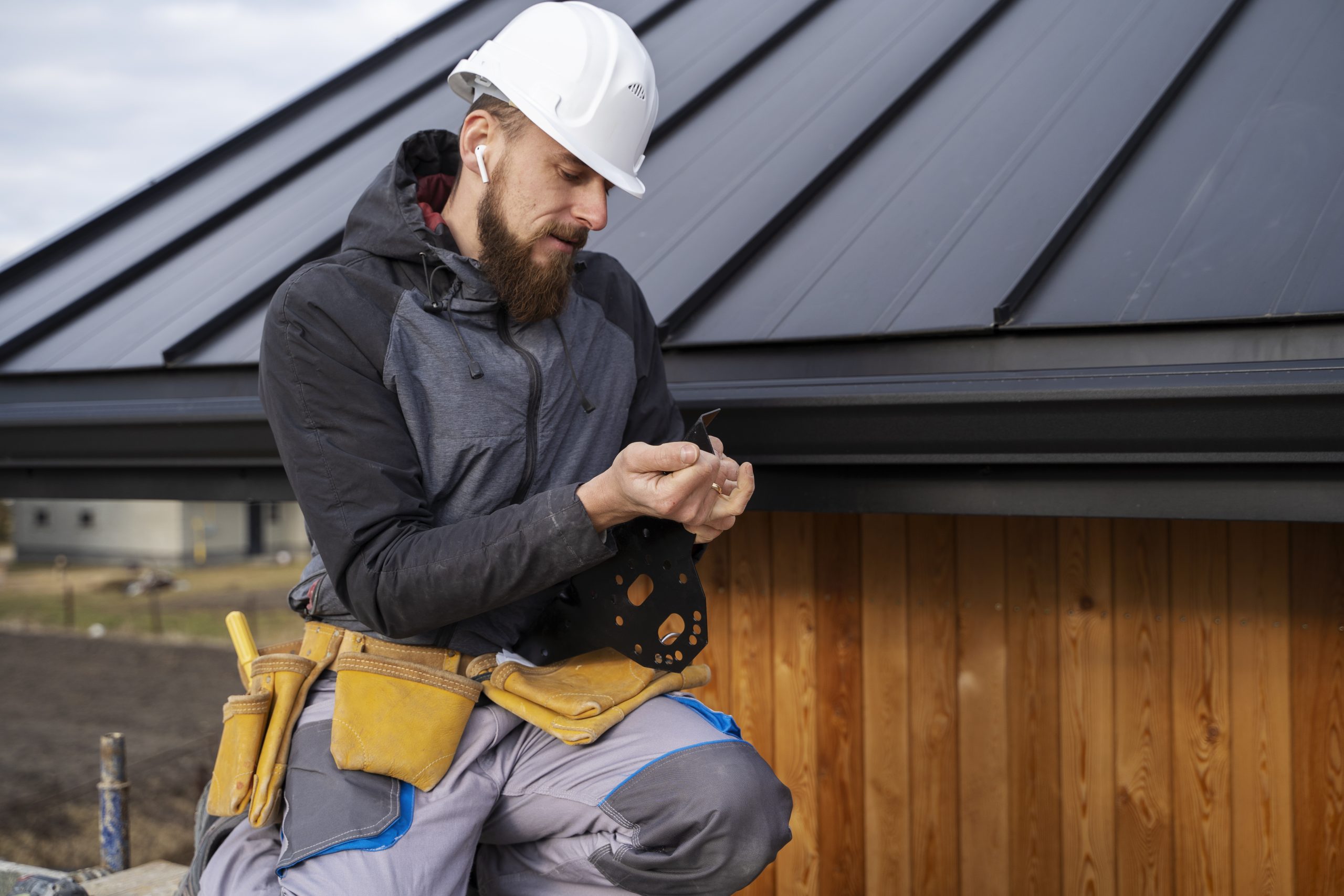

A drip edge is a crucial feature in modern roofing systems, protecting homes from water damage and enhancing their long-term durability. In roofing construction, a drip edge, metal flashing that extends beyond the roofline, directs rainwater away from the fascia and into the gutter system. This small yet vital component ensures that water runs off the roof rather than seeping beneath the shingles or decking, which can cause costly problems such as rot, mold, or structural decay. Homeowners and top residential roofers understand that a properly installed drip edge improves roof performance and strengthens a home’s overall protection.
Understanding What a Drip Edge Does
A drip edge serves as a protective barrier between the roof and external elements. Typically made from aluminum or galvanized steel, it’s installed under the roofing material along the eaves and rakes. This overhang helps ensure that rainwater drips away from the fascia and soffit, preventing moisture buildup that could damage wood and other materials. By creating a consistent path for runoff, the drip edge enhances the roof’s resilience, supports ventilation, and keeps the attic area drier. When combined with proper underlayment and gutters, the drip edge becomes an important factor in maintaining the structural health of the entire roof system.
Key Functions of a Drip Edge
Beyond its simple appearance, a drip edge plays several crucial roles in protecting your home:
- Prevents Water Intrusion: Keeps water from getting under the shingles, reducing the risk of leaks, rot, and mold.
- Protects Fascia and Soffit: Diverts water away from wooden roof edges, preserving structural integrity.
- Improves Roof Lifespan: Helps reduce water-related deterioration, extending the overall life of the roof.
These functions work together to prevent expensive repairs and maintain a watertight roofing system.
Why Proper Installation Is Critical
Even the best materials can fail without proper installation. A correctly positioned drip edge should overlap the gutter by about half an inch, be securely fastened to the roof deck, and angled outward to allow smooth water flow. Incorrect installation can lead to leaks, mildew growth, and premature material decay.
Many professional roofing contractors highlight how following manufacturer guidelines and using corrosion-resistant fasteners make a significant difference in long-term performance. Taking the time to install the drip edge right the first time prevents future damage and helps ensure lasting protection for your roof.
Main Benefits of Installing a Drip Edge
Adding a drip edge delivers multiple benefits for both performance and appearance:
- Prevents Water Damage: Directs runoff safely into gutters, keeping fascia boards and decking dry.
- Preserves Home Exteriors: Protects siding and foundation areas by reducing water exposure.
- Improves Aesthetics: Creates a clean, defined edge that enhances your home’s overall look.
- Boosts Property Value: A properly maintained roof with complete edging signals quality construction to buyers and inspectors.
Common Problems When a Drip Edge Is Missing
Without a drip edge, roofs become more vulnerable to damage. Rainwater can sneak beneath shingles, leading to wood rot, mold, or interior leaks. The absence of a proper runoff system also exposes fascia boards and soffits to continuous moisture, causing them to warp or decay over time.
Additionally, small gaps along roof edges can become entry points for insects or rodents, creating further maintenance challenges. Installing a drip edge from the start, or upgrading during roof replacement, prevents these problems and helps ensure long-term protection.
Maintenance Tips for Drip Edge Longevity
Like other roofing components, drip edges require occasional maintenance to stay effective:
- Inspect Annually: Look for signs of rust, loose fasteners, or lifted sections along the eaves.
- Clear Debris: Remove leaves and dirt buildup to maintain clear water flow into the gutters.
- Check Alignment: Make sure edges remain securely fastened and properly angled for drainage.
Routine inspection and cleaning can extend the drip edge’s life and help maintain your roof’s overall performance for years to come.
Contact Us
We’re here to assist you with all your roofing needs, whether it’s a quick question, a free estimate, or an emergency repair. Reaching out is simple:
Call or Text: 703-627-0771
Business Hours:
Monday to Saturday: 8:00 AM to 6:00 PM
Sunday: 8:00 AM to 4:00 PM
Visit Us: 3060 Williams Dr Suite 300 # 505, Fairfax, VA 22031
Related Topics:
- What is Roofing Square: The Key to Accurate Roofing Quotes
- Standing Seam vs. Corrugated Metal Roofing: a Complete Comparison Guide