



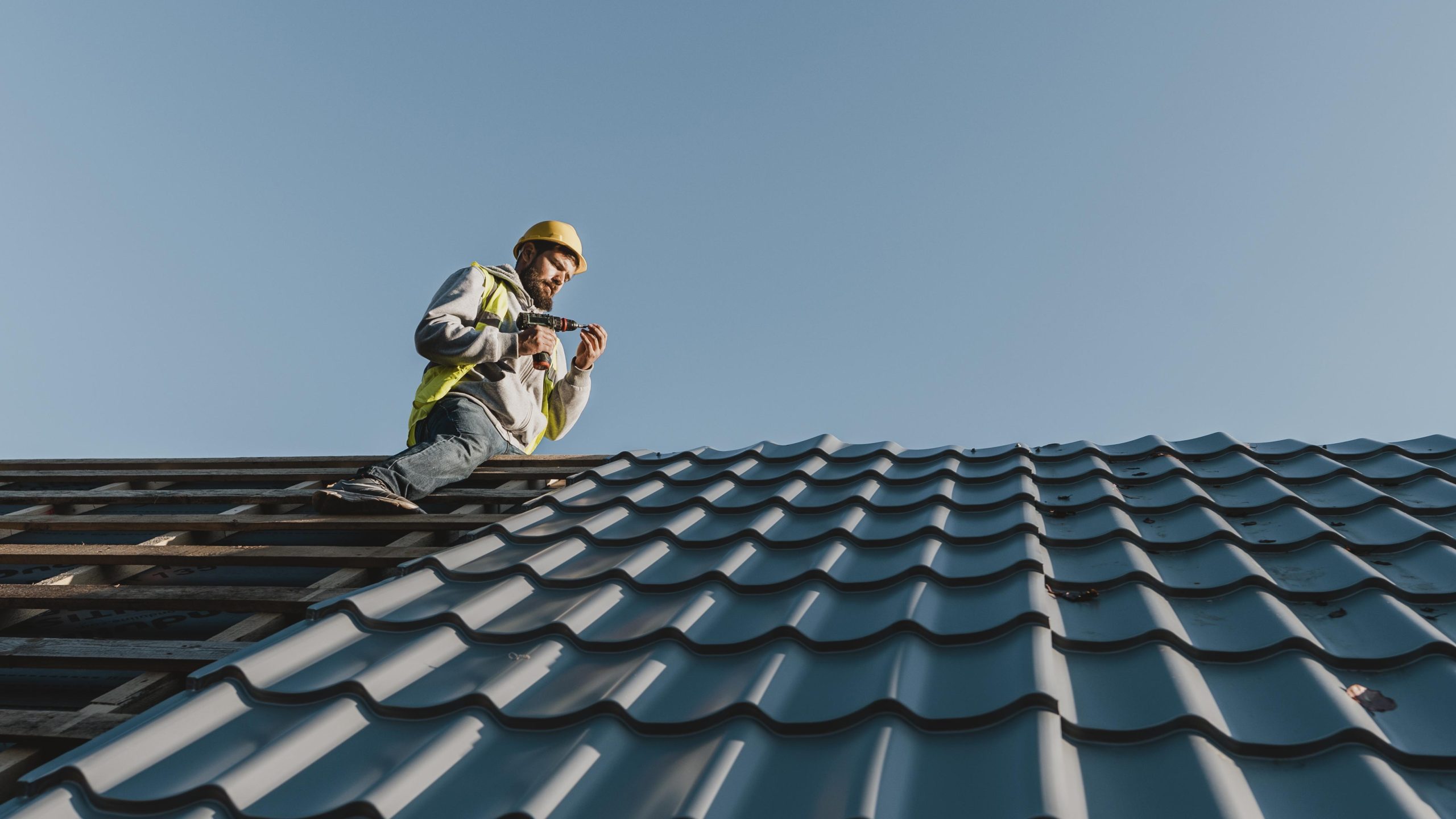

For homeowners seeking accurate roofing quotes or working with the best roofers in Fairfax, VA, understanding the concept of a roofing square is essential. A roofing square represents 100 square feet of roof surface and serves as the foundation for estimating materials and costs with precision.
Breaking down the total roof area into squares allows contractors to calculate essentials like shingles and underlayment efficiently. Grasping this concept helps prevent both material shortages and overordering. By accurately measuring the roof’s sections, multiplying the dimensions to calculate total square footage, and considering slope variations, you can ensure that every estimate is consistent, practical, and cost-effective.
Importance of Understanding Roofing Square
Knowing how to calculate a roofing square is crucial for preparing accurate roofing estimates. Since one roofing square equals 100 square feet, it becomes easier to determine the exact quantity of materials such as shingles, underlayment, and flashing needed for a project. Understanding this unit of measurement enables roofing professionals to accurately assess the project’s size and quote fair prices.
Dividing the total roof area into squares simplifies calculations and ensures that the correct amount of materials is ordered, thereby avoiding both waste and shortages. In the roofing trade, mastering this calculation method helps save time, manage budgets effectively, and maintain job efficiency.
Definition of Roofing Square
A roofing square is a standardized measurement used in roofing to define 100 square feet of roof surface. This unit provides a consistent reference point for estimating roof size and material needs. When contractors talk about the number of squares on a roof, they’re discussing how much surface area requires coverage. Understanding this unit helps roofers determine labor costs, materials, and timelines with precision.
Dividing the roof into squares makes the measuring process straightforward and enables better organization during planning and construction. This practical approach ensures accurate estimates and efficient resource use throughout a roofing project.
Calculating Roofing Square
To determine roofing squares, measure the length and width of each roof section in feet, then multiply these numbers to get the total square footage. For complex roof designs, divide the roof into smaller, more manageable sections before measuring. Don’t forget to include dormers, valleys, and chimneys when calculating the total area.
Consider the roof’s slope, steeper roofs require adjustments for accurate measurements. Once the total area is determined, divide by 100 to find the number of roofing squares. Following these steps ensures that both homeowners and roofing professionals consistently produce accurate and dependable roofing estimates.
Roofing Square Vs. Square Footage
While both measurements relate to roof area, roofing square and square footage serve different purposes. Roofing square is a specific unit equal to 100 square feet and is commonly used for pricing roofing materials and estimating labor. Square footage, however, represents the total measured surface area of a roof without conversion.
Because materials like shingles are sold per roofing square, converting square footage into roofing squares ensures accuracy in material ordering and pricing. Understanding the difference between these two measurements helps homeowners and contractors communicate effectively, avoiding confusion and ensuring that roofing quotes remain consistent and precise.
Role of Roofing Square in Quotes
Recognizing the role of roofing square in quotes helps both contractors and homeowners maintain transparency in project planning. This measurement standardizes how roofing projects are calculated, ensuring that quotes for materials and labor remain fair and comparable.
Using roofing squares simplifies calculations and helps generate precise estimates, reducing the likelihood of budget surprises. It also supports cost efficiency by ensuring that material quantities match the actual needs of the roof. A solid grasp of roofing square principles leads to smoother planning, accurate pricing, and improved client trust.
Tips for Using Roofing Square
To use roofing square measurements effectively, always measure the longest horizontal and vertical dimensions of each roof section. Verify your measurements more than once to ensure accuracy and account for any unique angles or roof features that could affect total area. Pay close attention to slope variations, as they influence how much material is required.
Keep records of every measurement and double-check calculations before finalizing your roofing quote. Taking time to measure accurately and apply the roofing square method correctly prevents errors, ensures fair pricing, and helps deliver professional-quality results.
Related Topics:
- Standing Seam vs. Corrugated Metal Roofing: a Complete Comparison Guide
- Slate Roofing vs. Tile Roofing: Pros, Cons, and Cost Comparison