



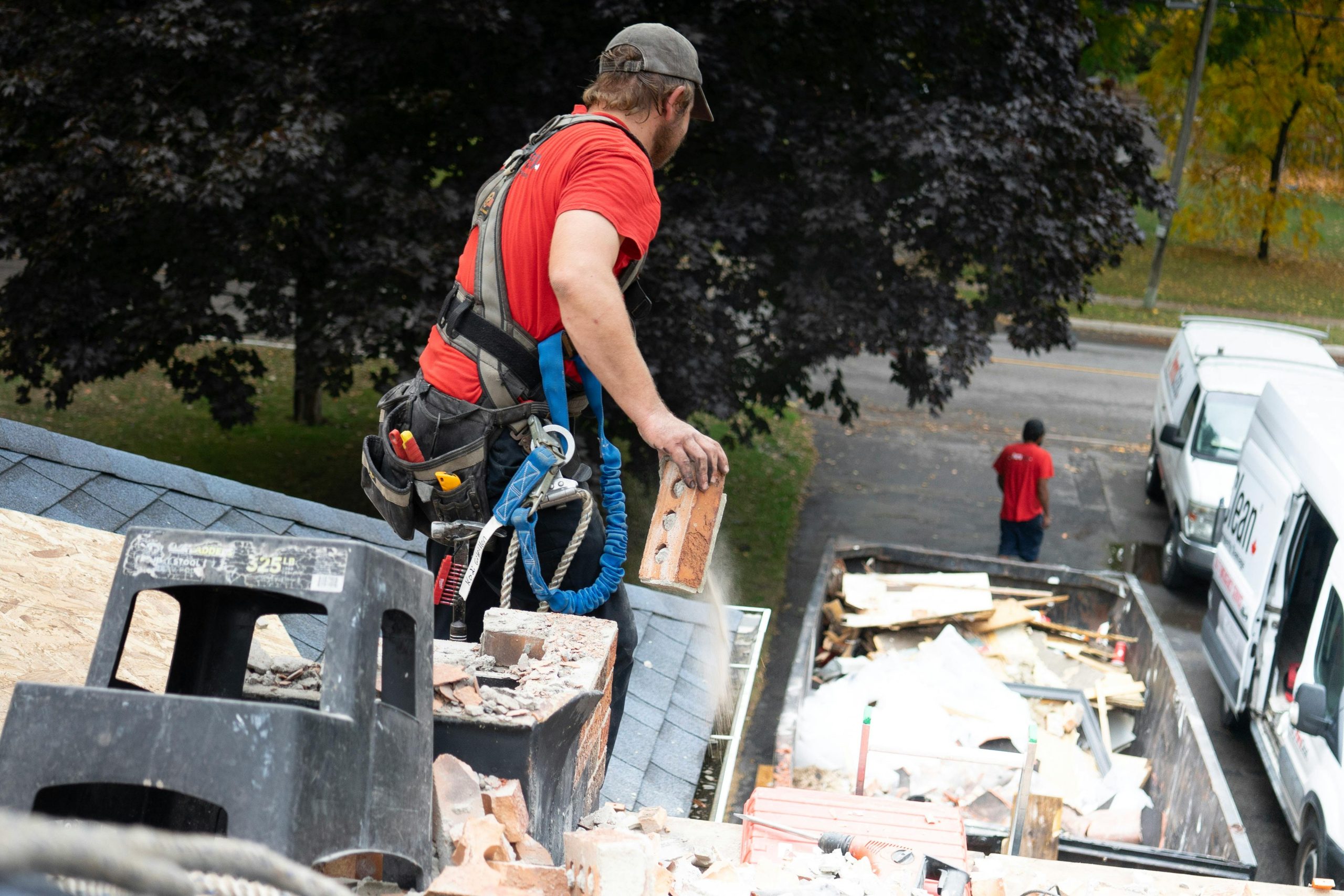

When homeowners run into roofing problems, choosing between repair and replacement can shape both short-term expenses and long-term home value. Experienced professionals, including trusted Fairfax roofing contractors, look closely at factors such as the roof’s age, the extent of the damage, regional weather exposure, and how well the system supports energy efficiency before offering guidance. This careful review allows property owners to choose an option that fits their budget while preserving the home’s structure and durability.
How Long Should Your Roof Last Before Replacement?
Most residential roofing systems function effectively for two to three decades, though this timeframe varies considerably based on material composition and environmental exposure. Asphalt shingles tend to show wear around the 20-year mark, while metal roofing can extend well beyond 30 years with proper maintenance.
If you’re approaching that 20-year threshold, replacement often makes more financial sense than repeated patch jobs. Think about it this way – you wouldn’t keep fixing an old car that breaks down every few months when a newer model would save you money and headaches in the long run.
Modern materials offer improved durability compared to older installations. Today’s shingles resist wind damage better, and manufacturers have developed better adhesives that handle temperature fluctuations without cracking or lifting.
Assessing Damage Severity
The scope of your roofing problems determines whether repairs can adequately address the issues or if replacement becomes necessary. Small problems like a few loose shingles or minor flashing gaps usually respond well to targeted repairs.
Walk around your property and look up at the roofline. Missing or damaged shingles create obvious visual cues, but interior signs matter just as much. Water stains on ceilings or in attic spaces indicate active leaks that need immediate attention.
Sagging sections signal structural problems that repairs typically can’t fix properly. When roof decking deteriorates, the entire system needs rebuilding from the substrate up. Mold growth in attic spaces also suggests moisture penetration that goes beyond surface-level damage.
Professional inspections reveal problems that aren’t visible from ground level. Contractors use specialized tools to detect soft spots in decking and measure moisture levels that indicate hidden damage.
Breaking Down Repair vs Replacement Costs
Budget considerations play a major role in this decision, though the cheapest immediate option isn’t always the smartest long-term choice. Minor repairs like replacing damaged shingles or resealing flashing typically cost a few hundred dollars.
Extensive repairs can add up quickly, though. If you’re looking at multiple problem areas or recurring issues, those repair bills start approaching replacement costs without giving you the benefits of a completely new system.
Get quotes from several licensed contractors to understand your local market rates. Material costs vary by region, and labor rates differ significantly between urban and rural areas. Some contractors offer financing options that make replacement more affordable than you might expect.
Insurance coverage can affect these calculations too. Storm damage often qualifies for coverage, but gradual wear typically doesn’t. Check your policy details before making repair decisions that might void future claims.
Energy Performance Benefits
Older roofing systems often lack the insulation and ventilation standards that newer installations provide. This means your heating and cooling systems work harder to maintain comfortable indoor temperatures, which shows up in higher utility bills.
Replacement gives you the opportunity to upgrade insulation levels and improve attic ventilation. These improvements can reduce energy consumption by 15-20% in some cases, depending on your current system’s condition.
Modern roofing materials reflect more heat during summer months. Cool roofing technologies help reduce cooling costs in hot climates, while better insulation properties benefit homes in colder regions year-round.
The Department of Energy estimates that proper roofing improvements can save homeowners hundreds of dollars annually on energy costs. These savings accumulate over the roof’s lifespan, offsetting some of the initial replacement investment.
Investment Value Over Time
Property values benefit from new roofing installations, with real estate professionals noting that buyers often view recently replaced roofs as major selling points. This perceived value stems from buyers knowing they won’t face immediate roofing expenses after purchase.
Warranty coverage provides additional value that repairs don’t offer. New roofing systems typically include material warranties spanning 20-30 years, plus workmanship guarantees from the installing contractor.
Maintenance requirements decrease significantly with replacement compared to patching an aging system. Newer materials resist weather damage better and require less frequent attention, saving both money and time over the roof’s lifespan.
Consider how long you plan to stay in your current home. If you’re planning to sell within a few years, replacement might provide better return on investment than temporary repairs that new buyers will eventually need to address.
Weather Pattern Considerations
Regional climate patterns significantly influence material selection and replacement timing. Areas with frequent hail storms, high winds, or extreme temperature swings demand more durable roofing solutions than moderate climates.
Metal roofing performs exceptionally well in regions with severe weather, offering superior wind resistance and impact protection compared to traditional asphalt shingles. However, metal systems cost more initially, so the investment makes more sense in high-risk weather zones.
Coastal properties face salt air exposure that accelerates material deterioration. Specialized coatings and corrosion-resistant materials extend lifespan in these environments, but standard materials fail prematurely without proper selection.
Snow load requirements vary by location, and local building codes specify minimum structural standards. Replacement projects must meet current code requirements, which may exceed the standards in place when your original roof was installed.
Timing replacement projects around weather patterns helps avoid complications. Spring and fall typically offer the best working conditions for contractors, though emergency replacements sometimes can’t wait for ideal weather windows.
Contact Us
We’re here to assist you with all your roofing needs, whether it’s a quick question, a free estimate, or an emergency repair. Reaching out is simple:
Call us: (703) 782-3180
Business Hours:
Monday to Saturday: 8:00 AM to 6:00 PM
Sunday: 8:00 AM to 4:00 PM
Visit Us: 3060 Williams Dr Suite 300 # 505, Fairfax, VA 22031
Related Topics: