



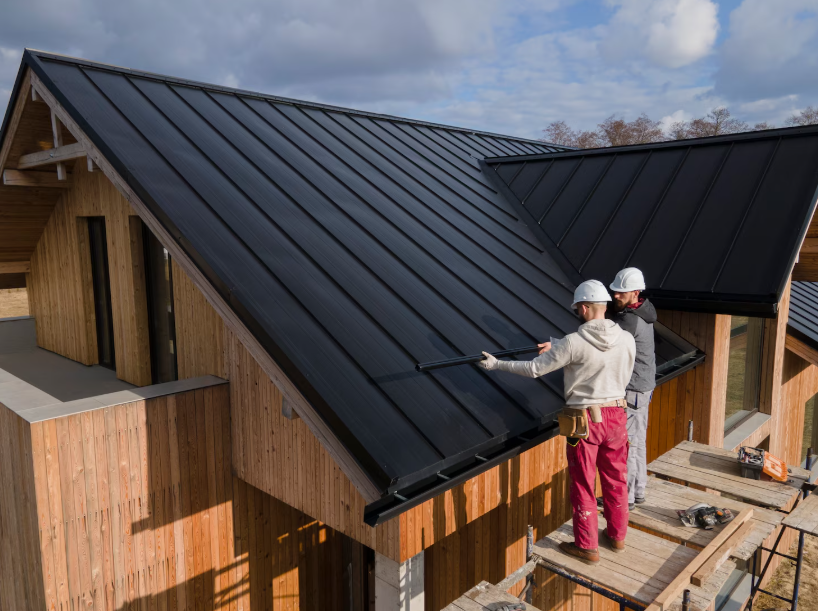

Having someone check your roof regularly saves you headaches later. Sometimes it’s easy to ignore a few cracked shingles or some discoloration, but those little things can become big problems fast. Getting a professional, especially someone with experience in professional roofing services, means they’ll catch stuff you’d never notice. They’ll look at the flashing, the seals, the structure itself, and even the gutters, then give you a report that actually tells you what’s going on.
Honestly, a lot of homeowners don’t realize that small issues like a minor leak or blocked gutter can spiral into huge repair bills. Knowing the steps and what to watch out for makes everything feel less overwhelming. Plus, it’s nice to have someone guide you through the process without feeling lost or stressed.
Importance of Regular Roof Inspections
Checking your roof on a regular schedule is like going to the doctor; you catch things before they get worse. A routine inspection helps spot damaged shingles, small leaks, or flashing problems before they turn into a full-blown mess. It also gives a sense of how the roof materials are holding up over time.
Ideally, these inspections happen twice a year, like in spring and fall, just so you’re ready for seasonal changes. Even minor fixes done early can prevent huge costs later. Keeping on top of inspections also keeps your home safer, which is always a bonus.
Signs That Indicate a Need for Inspection
Sometimes your roof tells you it needs help; you have to notice. Cracked, missing, or curling shingles are obvious, but don’t forget about water stains inside your home; they can mean leaks if you see granules from shingles in the gutters, which usually points to aging materials.
Sagging areas are another warning, and moss or algae growth could mean moisture is hanging around too long. Even if it seems small, getting a professional to check it out early can save a lot of trouble.
Benefits of Hiring a Professional Inspector
A professional brings knowledge you don’t get by trying to do it yourself. They know different materials and how roofs age, and they can spot hidden issues, like water seeping under shingles, that are easy to miss. Their tools let you check things without tearing the roof apart unnecessarily.
Plus, having someone systematic means nothing gets overlooked. You also get advice that’s specific to your roof rather than generic tips. Basically, it’s peace of mind, knowing the top of your house is solid.
Steps Involved in a Roof Inspection
Inspections usually follow a loose step-by-step plan, though sometimes things don’t go exactly as planned. First, there’s a visual look from the ground and sometimes the roof itself. Inspectors check for obvious damage, missing shingles, and sagging areas, but also subtle signs like tiny cracks.
Next, the structure comes under review: decking, framing, and trusses. Flashing, seals, and gutters get checked, too. Afterward, findings are documented so you know exactly what’s going on. It’s thorough, but it doesn’t feel stiff or overdone.
Common Roof Issues to Look Out For
Some problems keep popping up. Shingles can go missing or get damaged, and clogged gutters cause water to sit where it shouldn’t. Leaks leave stains on ceilings, and sagging sections can hint at bigger structural issues.
Flashing around chimneys or vents is another area to watch because if it’s compromised, leaks happen fast. Spotting these issues early can keep small problems from turning into huge repair bills.
Tips for Preparing for a Roof Inspection
A few prep steps make the inspection go smoother. Clearing debris from the roof and gutters is a must; otherwise, it’s like trying to read a book with half the pages stuck together. Trim branches that hang over the roof if you can safely do it.
Gather any repair records or notes you have, and let the inspectors know about anything specific that’s been bothering you. Opening access points or gates beforehand helps too. Simple prep makes the whole process faster and less stressful.
Related Topics: