



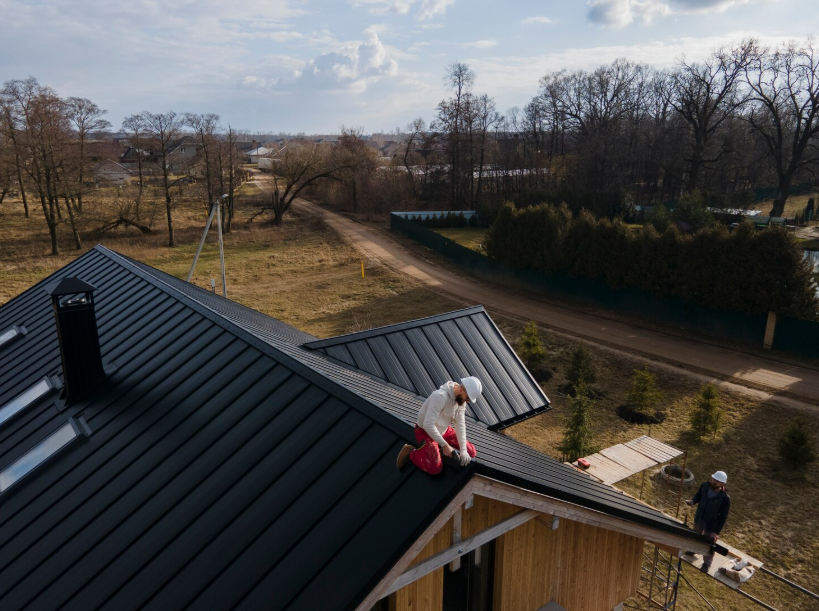

Deciding between a roof replacement and an overlay isn’t always straightforward. You might think, “Well, an overlay is cheaper, so why not?” But there are other things to weigh, like how long it’s going to last and whether the old roof has hidden problems. For a job like this, having roofing specialists take a look can really clarify things. Costs, durability, and even resale value all kind of play into the decision, so it’s not just about upfront dollars.
Also, how the roof is installed matters a lot. Even a perfect overlay won’t last if the old layers underneath are weak. On the other hand, a complete replacement gives you a clean slate, which feels like a safer bet sometimes. So yeah, there’s a lot to think about before picking one route or the other.
Cost Considerations
A big reason people lean toward an overlay is the initial price. It’s tempting because you don’t have to remove the old shingles, which means less labor and material cost. But then you have to wonder if you’re saving money in the long run, or if you’ll end up paying more in maintenance a few years down the road.
Replacement costs more upfront, no question about it, but it can actually save headaches later. You get new materials and a fresh installation, so fewer worries about leaks or shingle failures. It’s kind of like deciding between buying a used car with a warranty or a brand-new one; you have to think beyond the first cost.
Longevity and Durability
If you want your roof to last a long time, a full replacement usually wins. An overlay might seem fine now, but it doesn’t fix any hidden damage, and those problems can sneak up later. With new materials and proper installation, a replacement can easily last decades.
An overlay can work if the old roof is still in good shape, but it’s a bit of a gamble. Over time, small issues beneath the surface can compromise the whole system. So thinking about how long you plan to stay in the home matters. It’s about durability, but also peace of mind.
Impact on Property Value
A new roof generally adds more value than an overlay. Buyers notice a clean, properly installed roof, which suggests the house has been well-maintained. Even if an overlay looks okay, it won’t carry the same reassurance for someone walking through the front door.
Replacement signals investment and quality, making a house more appealing to buyers. If selling is in your plans, that added value might justify the higher initial cost. It’s a mix of aesthetics, security, and future-proofing, all rolled into one.
Installation Process and Timeline
Replacing a roof takes more time than an overlay, obviously. First, the old shingles have to come off, then the decking is inspected, and any damaged spots are fixed. It’s a multi-step process, but it ensures the new roof has a solid foundation.
Overlays are quicker since you’re just adding a new layer, but they can’t address all underlying issues. Timing can also depend on the size of the roof and the weather. Either way, a professional crew keeps things moving smoothly, but you’ll notice that replacement naturally takes longer.
Maintenance Requirements
Regardless of the choice, roofs need upkeep. Cleaning debris, checking for leaks, and making sure gutters are clear helps prevent small problems from snowballing. It might feel tedious, but it really pays off in the long run.
Inspections every so often help catch things early. Whether you go with a full replacement or an overlay, staying on top of maintenance will extend the roof’s life. Think of it like brushing your teeth; regular, small actions avoid major headaches later.
Environmental Impact
If you’re trying to be eco-conscious, overlays might seem like a greener choice. You’re not throwing away the old roof, which means less landfill waste. That said, the materials used in either option can also make a difference, so choosing recyclable shingles or energy-efficient options matters.
Full replacements create more waste, sure, but they give a chance to upgrade ventilation, insulation, and materials for better energy performance. So there’s a trade-off between waste and long-term efficiency. Thinking about the environment along with durability can guide your choice without feeling guilty about the impact.
Related Topics: