




Choosing between asphalt and fiberglass shingles for your roof isn’t always straightforward. Both have their perks, but fiberglass shingles have been getting a lot of attention lately. They’re lighter, more flexible, and resist fire, UV rays, and moisture better than asphalt, which makes life a bit easier during installation. You might not think about it, but calling up local roofers in Fairfax, VA, while planning helps you picture how each material performs in real-life conditions. Plus, fiberglass tends to last longer with less maintenance, which is a relief when you imagine all the work a roof can demand.
Installation is simpler, too. Fiberglass conforms to roof contours better, so you don’t have to wrestle each piece into place. And since it’s lighter, you aren’t stressing the roof structure as much. Small things like that add up when you’re thinking about durability and long-term cost.
Durability
Durability is where fiberglass really shows off. Its base is a fiberglass mat coated with asphalt and mineral granules, which makes it resistant to fire, UV rays, and moisture. It can handle heat, cold, and heavy rain better than asphalt. Asphalt shingles do hold up well, but they’re more likely to crack or warp, especially in extreme weather conditions.
For someone hoping their roof lasts decades without constant repairs, fiberglass shingles are the safer bet. They stay put longer, and you worry less about small problems turning into leaks.
Cost-effectiveness
Fiberglass shingles might cost a bit more upfront, but they often save money in the long run. Fewer replacements, less maintenance, and a longer lifespan mean you don’t spend as much over the years. Asphalt shingles are cheaper initially, but the wear and tear add up faster, especially if you live somewhere with strong sun or cold winters.
It’s that trade-off: spend a little more now for fewer headaches later. For many homeowners, the numbers and peace of mind make fiberglass shingles a better investment overall.
Installation Process
Installing asphalt shingles is heavier and more labor-intensive. You may need extra support, and it takes more effort to handle each piece. Fiberglass shingles are lighter and more flexible, which makes placing them on slopes or curves easier.
The flexibility helps them fit snugly against the roof, giving a smoother and cleaner finish. It’s one of those small conveniences that make a big difference in how quickly and neatly the job gets done.
Environmental Impact
Asphalt shingles are widely used, but they have some environmental downsides. Their production involves crude oil and emits more VOCs. Plus, they don’t last as long, which means more waste over time.
Fiberglass shingles use less asphalt and are lighter, so transporting them uses less fuel. That means a smaller carbon footprint during installation. Over their longer life, they generate less waste and fewer replacements, which is just a nice bonus if you’re thinking about sustainability.
Maintenance Requirements
Asphalt shingles need a bit more attention. Curling edges, missing granules, and occasional repairs are part of owning them. You have to check ventilation, clean debris, and watch for moisture buildup.
Fiberglass shingles are lower-maintenance. Usually, a quick inspection now and then, plus keeping the roof clean, is enough. Less work over time is appealing, especially if you don’t want to climb up and fuss with shingles every few years.
Aesthetics
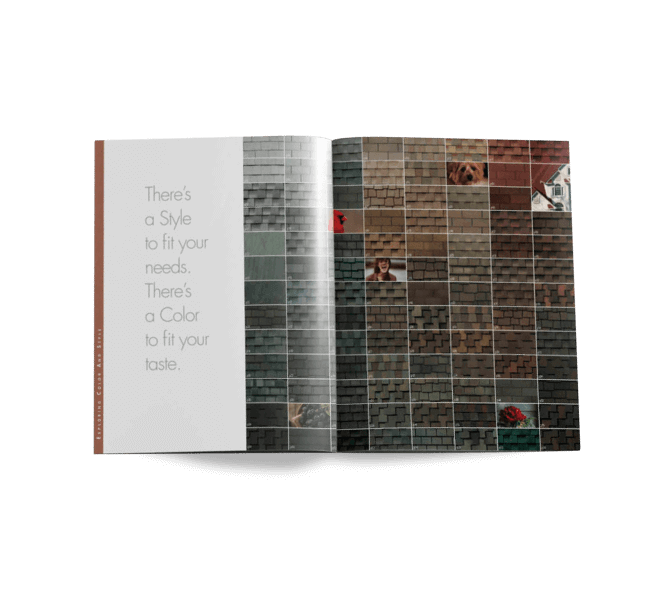
Asphalt shingles have that classic look and come in many colors. They can mimic slate or wood, which is nice if you want the look without the cost. Fiberglass shingles are sleek and uniform, letting you create patterns and textures that look modern and clean.
If you care about the visual style of your roof, fiberglass offers more flexibility. You can mix shapes and designs for a unique finish, while asphalt gives a dependable traditional appearance. Choosing between them often comes down to what matches your home’s style and what fits your budget for upkeep.
Related Topics: