



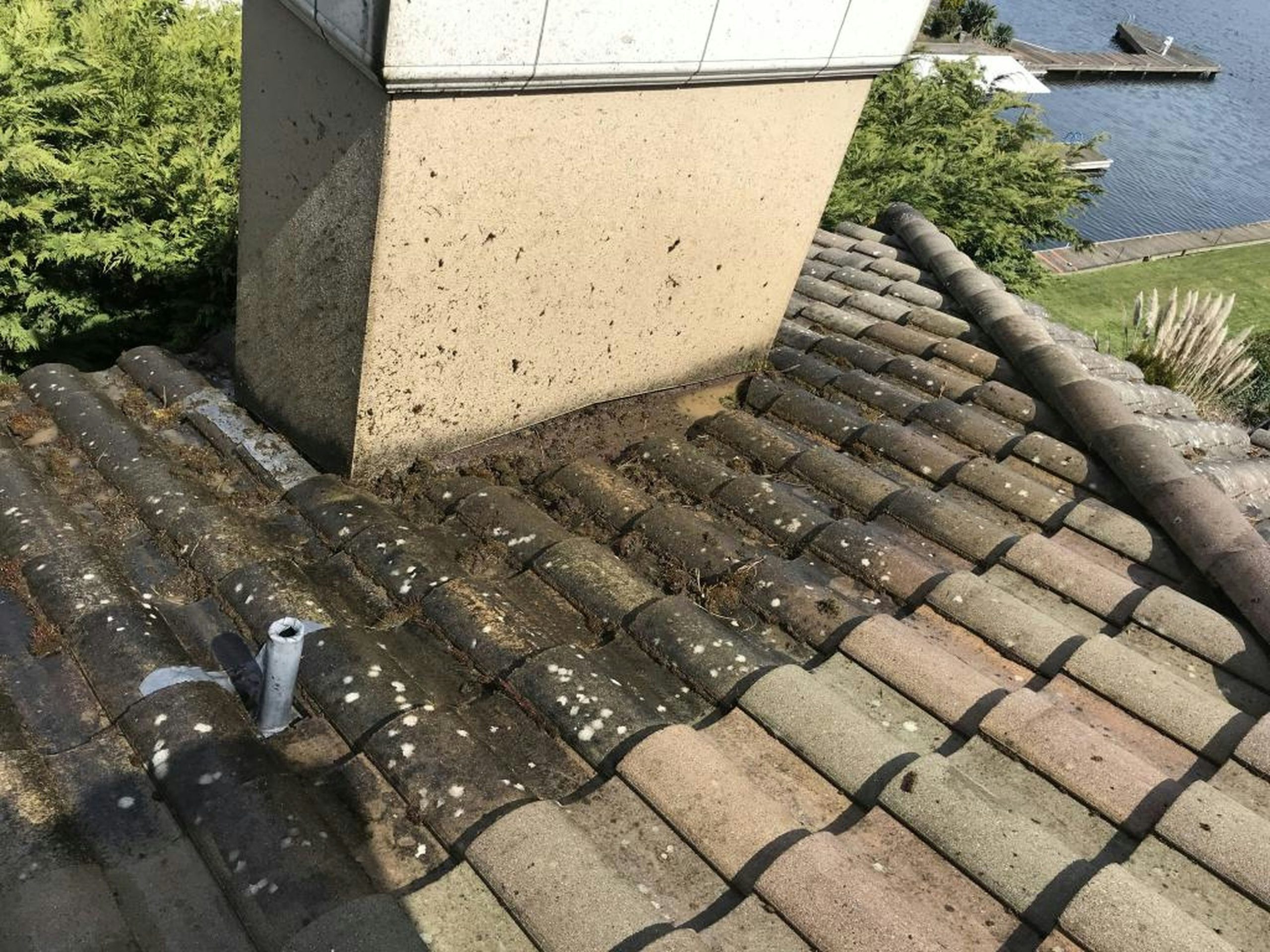

Roof leaks are rarely obvious at the start, which is why many homeowners only notice a problem once water shows up inside. The purpose of this article is to walk through the most common reasons leaks develop and why they often go unnoticed for so long. Homeowners who work with preferred residential roofers tend to catch these issues earlier, since the warning signs are not always visible from the yard or driveway.
Shingle Damage
Shingles take more abuse than most people realize. Sun exposure dries them out, wind lifts the edges, and temperature swings cause constant expansion and contraction. Over time, this stress shows up as cracking, curling, or sections breaking loose. Even a small gap can allow water to slip underneath and travel along the roof deck before it becomes visible indoors. Shingle damage is easy to overlook because it does not always look severe at first glance, yet it remains one of the most common sources of leaks.
Poor Installation
A roof does not have to be old to leak. Installation mistakes can create problems early, sometimes within the first few seasons. Shingles placed too tightly or too loosely, fasteners driven at the wrong angle, or sealants applied unevenly can all create openings. These flaws may hold up in mild weather but fail during heavy rain. Once water finds a path, it often returns to the same spot until repairs are made.
Flashing Issues
Flashing protects areas where the roof connects to vents, chimneys, and rooflines. These sections move more than flat surfaces, which makes them vulnerable over time. If flashing shifts, cracks, or pulls away, water can slide right into the roof system. Problems here are common because flashing is easy to ignore and difficult to inspect without getting close. Many leaks are traced back to flashing starting slowly and worsening with repeated exposure.
Age of Roof
Age changes how a roof behaves. Materials that once repelled water begin to stiffen and lose their protective surface. Shingles may shed granules, sealants dry out, and joints loosen slightly. These changes do not happen all at once, which is why leaks often appear without warning. Older roofs are more likely to develop multiple small weaknesses rather than one obvious failure.
Clogged Gutters
Gutters that fail to drain properly can cause water to linger where it should not. When debris blocks the flow, rainwater backs up and spills onto the roof edges. That moisture can soak into materials that were never meant to stay wet. Over time, this repeated exposure increases the risk of leaks near the eaves and along interior walls.
Weather Damage
Weather leaves its mark even when damage is not easy to spot. Strong winds can loosen shingles without tearing them away. Hail can weaken surfaces without breaking them open. Snow adds weight that stresses the roof structure, while long stretches of sunlight dry out protective layers. These conditions do not always cause immediate leaks, but they shorten the roof’s ability to keep water out.
Related Topics:
- Why You Should Avoid DIY Roof Repairs at All Costs
- Reasons to Repair the Roof Before Selling Your Property