



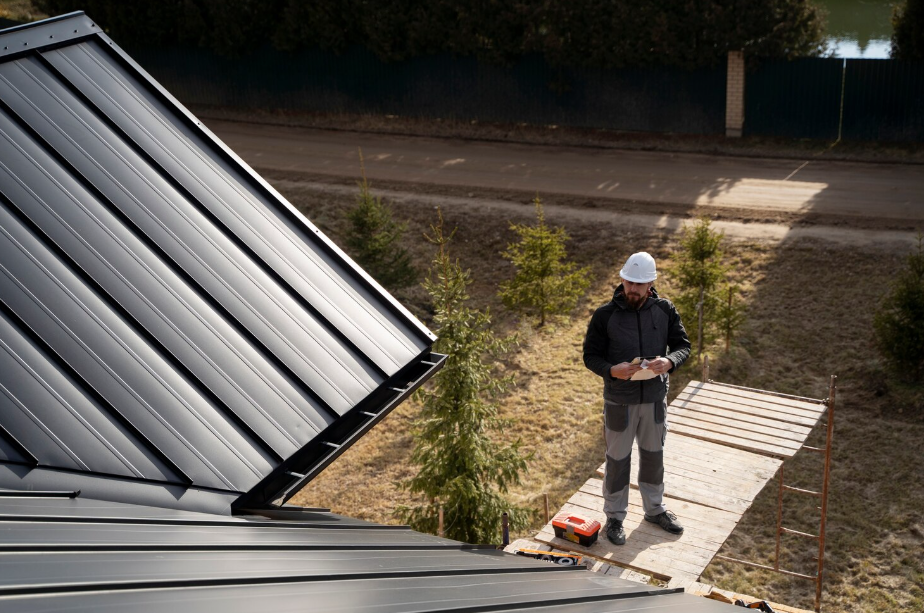

Your home’s roofing system protects your property investment from weather damage, structural problems, and energy loss. Contractors who inspect roofs every day usually point to six warning signs worth paying attention to. Those include missing shingles, stains on ceilings or walls, sagging areas, granules piling up in gutters, an aging roof, and sudden jumps in energy bills. Seeing a few of these at once often means it is time to start thinking about repairs or even a full replacement, especially if you are searching for the best roofing contractor in Fairfax, VA.
I have been putting off checking my own roof longer than I should. Still, these red flags are not something to brush aside or hope will fix itself. A quick look from the ground can tell you more than you might expect, even before calling someone out. It is usually easier to deal with roof issues early than to wait until a small problem spreads.
Missing or Damaged Shingles
When shingles crack, curl, or go missing entirely, your roof loses its primary defense against rain, snow, and wind. Think of each shingle as a piece of armor – once that protection gets compromised, water finds its way into places it shouldn’t be.
I noticed my neighbor had several loose shingles after that windstorm last month. The exposed areas underneath looked pretty rough, and you could see where water might start seeping through. Getting a professional inspection helped them figure out whether they needed spot repairs or something more comprehensive.
Damaged shingles don’t fix themselves, and the problem usually spreads. What starts as one or two problem areas can quickly become multiple leak points throughout your roof.
Interior Water Stains
Those yellowish-brown patches on your ceiling or walls tell a story you probably don’t want to hear. Water stains typically show up weeks or even months after the actual leak starts, which means the damage might be worse than what you’re seeing on the surface.
The tricky part about roof leaks is that water doesn’t always drip straight down. It can travel along rafters, insulation, and other materials before finally showing up somewhere completely different from where it entered. Professional roofing experts use specialized tools to track these water paths and find the real source.
Mold growth often follows water infiltration, creating health concerns for your family while also compromising your home’s structural integrity over time.
Sagging Roof
A drooping roofline usually means serious structural problems that need immediate attention. This isn’t something you can put off for next spring – sagging indicates that your roof decking, support beams, or even foundation components might be failing.
Sometimes you can spot the sag from the street, but other times it’s more subtle. Walking around your property and looking up at different angles helps you notice areas where the roofline doesn’t look quite straight anymore.
Water damage, snow loading, and age-related deterioration all contribute to structural sagging. Professional assessment becomes critical at this point because DIY solutions won’t address the underlying problems.
Granules in Gutters
Those small, sand-like particles collecting in your gutters come directly from your asphalt shingles. Some granule loss is normal, but heavy accumulation suggests your shingles are breaking down faster than they should.
Check your gutters after cleaning them – if you’re finding cups or handfuls of granules regularly, your roof’s protective coating is wearing away. UV rays and weather exposure accelerate this process, leaving your shingles vulnerable to cracking and water absorption.
Metal roofs don’t shed granules, but they have their own wear patterns that experienced contractors can identify during inspections.
Age of Roof
Roofing materials have predictable lifespans that help determine replacement timing. Asphalt shingles typically last 20-25 years, while metal roofing can protect your home for 50 years or longer with proper maintenance.
Climate factors, installation quality, and maintenance history all affect these timelines. Homes in areas with severe weather, hail, or extreme temperature fluctuations might need roof replacement sooner than expected.
If you’re unsure about your roof’s age, check your home inspection records, contractor receipts, or ask previous owners for documentation. Age alone doesn’t automatically require replacement, but it helps you plan for future needs.
Increased Energy Bills
Rising utility costs often indicate that your roof isn’t insulating your home effectively anymore. Poor roof insulation forces your heating and cooling systems to work harder, driving up monthly energy expenses.
Summer heat penetration and winter heat loss both stem from compromised roof performance. Air sealing problems, damaged insulation, and ventilation issues all contribute to energy inefficiency.
Track your energy bills over several months to identify unusual patterns. Sudden spikes without changes to your usage habits might point to roof-related insulation problems that professional evaluation can confirm.
Getting multiple quotes from licensed roofing contractors helps you understand your options and make informed decisions about repair versus replacement. Most reputable companies offer free inspections and written estimates for comparison.
Contact Us
We’re here to assist you with all your roofing needs, whether it’s a quick question, a free estimate, or an emergency repair. Reaching out is simple:
Call or Text: (703) 627-0771
Business Hours: Monday to Sunday: 8:00 AM to 6:00 PM
Visit Us: 3060 Williams Dr Suite 300 # 505, Fairfax, VA 22031
Related Topics: