



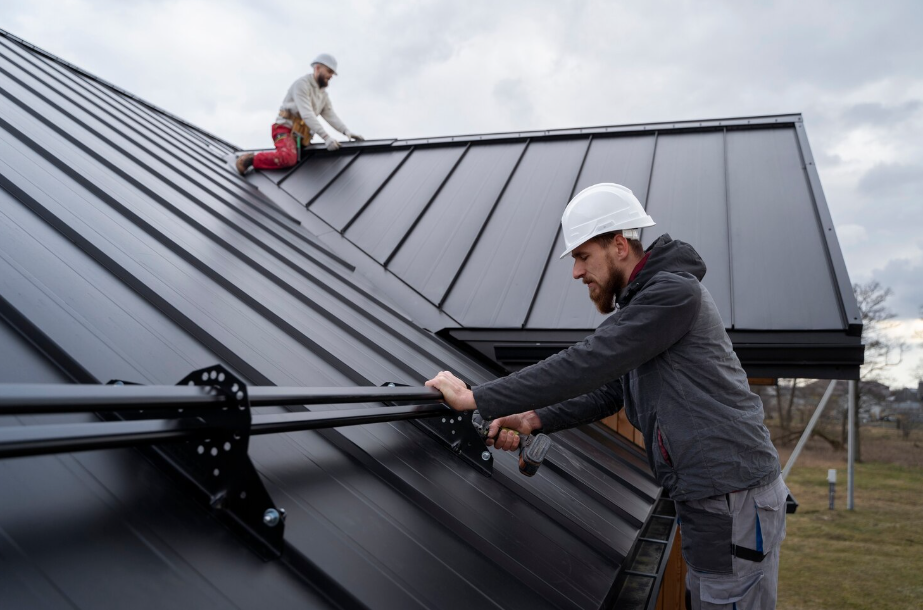

Alright, let’s talk about what actually affects how much it costs to replace a roof. It’s kind of more complicated than people think. The material you pick, the size of your roof, how steep it is, and even the state of your current roof all play a part. Working with a reliable local roofing contractor helps, but it’s good to know what’s going on so you’re not blindsided by the bill.
Even small things matter. Extra features, cleanup, and prep work all sneak into the total cost. And honestly, sometimes it’s just unpredictable. You might see a little issue, and suddenly it turns into a bigger repair. But knowing the main cost drivers keeps it from feeling like a complete mystery.
Roofing Material
Materials are the obvious ones, right? Asphalt shingles are cheap and pretty easy to slap on, but they won’t last as long as metal or tile. Metal lasts decades and needs less maintenance, but yeah, it costs more upfront. Tiles look amazing and save on energy bills, but installing them can get pricey.
Wood shakes give a nice natural look, but they need constant care to avoid rot or mold. Each choice has pros and cons, and the cost reflects that. It’s a bit like choosing shoes; you pick what works for you and your lifestyle, not just what looks nice.
Climate matters too. Some roofs handle sun, snow, or rain better than others. So the “perfect material” is different depending on where you live.
Roof Size
Size matters. Bigger roofs obviously need more shingles and more labor, which pushes the price up. A simple square roof is easier than one with multiple levels, dormers, or weird angles. That stuff adds time, effort, and complexity.
Even waste counts. You always need a little extra material for mistakes and cuts. And yeah, labor goes up with size. Bigger roof = bigger bill, usually.
Roof Pitch
The angle of your roof changes things, too. Steeper roofs are harder to work on, so labor costs go up. You might need extra safety equipment or even a larger crew. Low-slope roofs aren’t as tricky, but they sometimes require different materials.
Pitch also affects installation time and technique. Knowing this early saves headaches. It’s one of those things that seems small until you’re staring at it on day one.
Degree of Damage
How beat-up your roof already is will definitely change the cost. A few cracked shingles are one thing, but water damage, mold, or rot can turn into a bigger expense. Each leak might need extra work or materials.
Even small cracks can hide bigger issues underneath. A thorough inspection before you start is worth it. Otherwise, surprises show up, and suddenly costs climb.
Labor Costs
Labor is huge. Experienced roofers do things faster and more safely, which is worth it. Steep roofs, tall houses, or multiple layers to remove increase labor time.
Rates also vary depending on where you live. Hiring a skilled team means the job gets done right, and that can save money later. Even though it costs more upfront, it’s worth it.
Additional Features
Extra features like underlayment, ventilation, insulation, or flashing can bump the price up. But they aren’t just “extra charges”, they improve performance and make your roof last longer. Sometimes spending a bit more upfront saves headaches (and money) later.
Planning these ahead of time makes life easier. It keeps surprises down and makes sure the roof is solid, efficient, and long-lasting. You won’t regret thinking about these little extras.
Related Topics: