



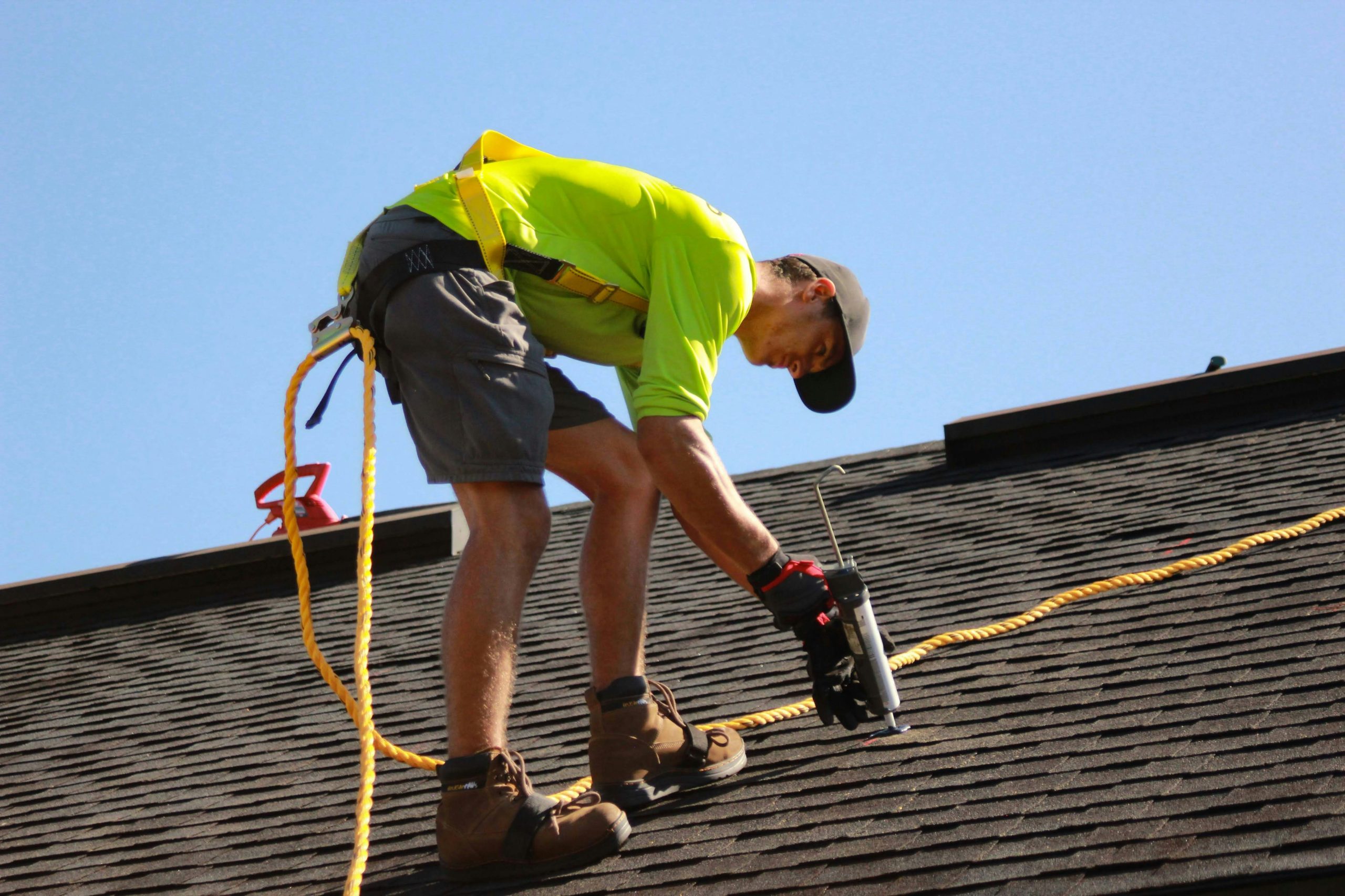

Look, not every roof problem needs you to panic and start making emergency calls at 2 AM. But there are definitely situations where putting it off is just asking for trouble. Emergency roof repairs are for those times when your roof damage could spiral into structural chaos, create genuine safety risks, or turn your ceiling into a waterfall if you wait until Monday. Storm damage, surprise leaks, sketchy structural stuff – these are the scenarios where you need to find affordable roofing services and get someone out there ASAP. Here’s how to tell the difference between “I should probably deal with this” and “I need to deal with this right now.”
Sudden Roof Damage
A tree branch through your roof or a storm that rips off half your shingles? Yeah, that’s not a “let’s see how it goes” situation. You’ve got to move fast because every open spot is basically an invitation for water to come party in your attic. First thing – figure out how bad it really is. Holes, exposed areas, anything that’s clearly letting the elements in.
Throw a tarp over the damage if you can do it safely. That’s your temporary shield until actual repairs happen. The problem with sudden damage is that it doesn’t stay contained. Water gets in, finds your insulation, soaks into wood, and suddenly you’re not just fixing a roof anymore – you’re dealing with rotted beams and moldy drywall. Nobody wants that headache.
Severe Weather Conditions
Big storms are brutal on roofs. We’re talking hurricanes that peel back shingles like they’re stickers, snow that piles up until something gives, wind that turns your roof into confetti. After weather like that hits, you can’t just assume everything’s fine because it looks okay from your driveway.
Missing shingles leave spots where water sneaks in. Damaged flashing around your chimney or vents creates gaps. And all that debris – branches, leaves, random stuff that ended up on your roof – can clog your gutters or punch through weak spots. Getting tarps up fast stops more water damage while you’re waiting for repairs. Clear off the debris before it causes more problems. The faster you catch wind damage and patch those vulnerable areas, the less chance you have of dealing with leaks next time it rains.
Visible Water Leaks
Water dripping from your ceiling is basically your house waving a red flag. By the time you see a leak inside, water’s already been sneaking through your roof for a while. Could be torn shingles, could be failed sealant, could be flashing that gave up. Whatever it is, water doesn’t take breaks.
You need to find where it’s actually getting in and seal it temporarily – even a quick patch job is better than letting it keep flowing. Because here’s the thing about water damage: it spreads. Starts in one spot, soaks into insulation, drips down walls, gets into places you can’t see. Before you know it, you’ve got mold growing and wood rotting. Plus, water near electrical stuff is never good. Treating visible leaks like emergencies saves you from way bigger bills later.
Structural Integrity Compromised
If parts of your roof are sagging or feel soft when you walk on them, that’s your cue to get worried. We’re not talking about cosmetic issues anymore – this is your roof’s bones failing. Cracked rafters, spongy decking, spots that look like they might give way. That’s the kind of damage that can go from “concerning” to “dangerous” real quick.
Get someone who knows what they’re doing to check it out thoroughly. Sometimes it’s fixable with targeted repairs, sometimes you’re looking at rebuilding sections. Either way, this isn’t something to mess around with. Structural failures don’t announce themselves politely – they just happen. And when they do, people can get hurt.
Immediate Safety Concerns
Some roof damage creates instant hazards that need to be dealt with right this second. Like if there’s a hole and you’ve got exposed electrical wiring getting wet. Or sections that could collapse on someone. Or water pooling somewhere could cause someone to slip and bump their head.
The first move is keeping people away from dangerous areas. Second is stopping water from reaching places it shouldn’t – like those electrical systems. Third is reinforcing or blocking off anything that looks unstable. You’re not trying to fix everything perfectly in that moment; you’re just making sure nobody gets hurt while the actual problem gets sorted. That’s what emergency response is really about.
Rapidly Worsening Conditions
Here’s what happens: you notice a tiny leak during light rain and think, “Eh, I’ll deal with it soon.” Then the next storm rolls through, and suddenly that tiny leak is pouring water into your living room. Roof damage tends to accelerate once it starts.
A small hole becomes a big hole. A loose shingle becomes ten loose shingles. The trick is catching these situations while they’re still manageable. Do a real inspection – see how far it’s actually progressed. Slap on whatever temporary fix you can to slow things down. Patch that small hole before it widens. Shore up weak spots before they fail completely. And yeah, sometimes you hit the point where you need professional help because it’s moving faster than you can keep up with. Waiting just guarantees you’ll be paying more to fix a bigger mess.
Related Topics:
- Is Roof Repair Or Replacement The Better Option For Your Home
- Can a New Roof Be Installed Over an Old Roof