



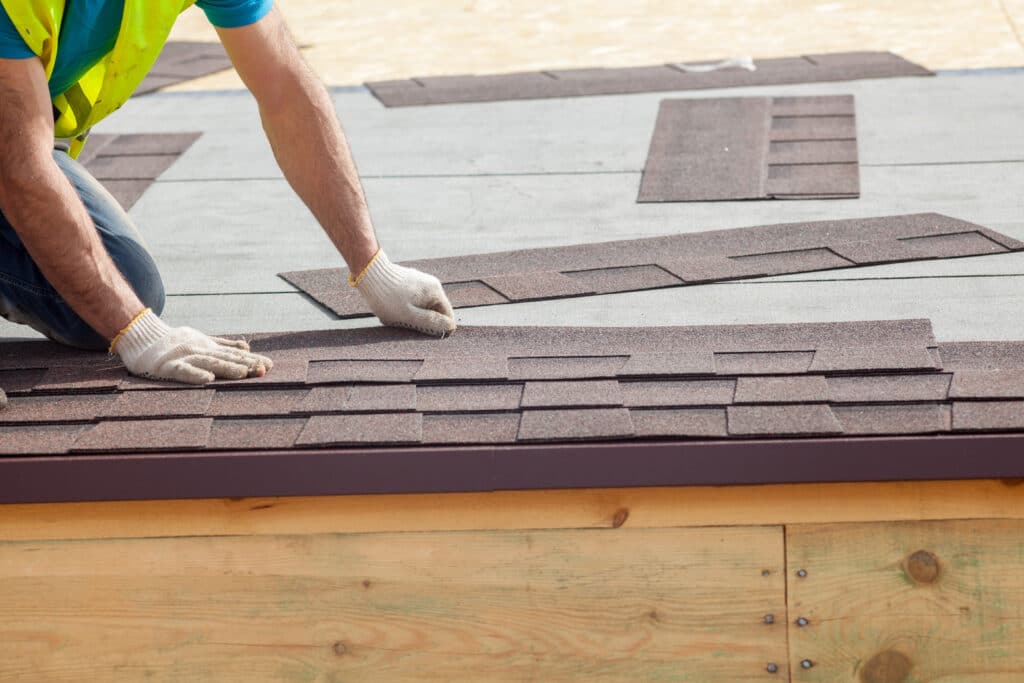

Choosing the right contractor for your roof replacement or repair is one of the most crucial decisions you’ll make as a homeowner, as your roof protects everything you value most. The wrong choice can lead to poor artistry, cost overruns, safety issues, and legal problems that could have been avoided with proper screening. Any dependable roofing contractor should welcome your questions and provide clear, detailed answers that demonstrate their professionalism and expertise. This guide addresses the most crucial questions to ask potential roofers, enabling you to make an informed decision and avoid costly mistakes.
Licensing and Insurance
Start your contractor screening process by verifying that any roofer you consider has proper licensing and insurance coverage. A legitimate contractor will gladly provide proof of their license and insurance when asked. If they hesitate or make excuses, that’s a red flag. Licensing indicates that the contractor has met your state’s requirements for competency and adheres to local building codes and regulations. Insurance protection is just as important as it protects you from financial liability if workers are injured on your property or if damage occurs during the project. Make sure their insurance includes both workers’ compensation for their employees and general liability coverage for your property. Request to see the current certificates and contact the insurance company directly to verify that coverage is active. This verification protects you from potential lawsuits and unexpected costs.
Experience and Expertise
A roofer’s experience and expertise directly affect the quality of work you receive and how smoothly your project goes. Here’s what to ask about their background:
- Years in Business: Look for contractors with several years of experience, as they’ve likely encountered and solved various roofing challenges over time.
- Training and Certifications: Ask about manufacturer certifications, industry training, and continuing education that keeps them current with best practices and new materials.
- Project Portfolio: Request to see photos of recent similar projects and ask for details about the challenges they faced and how they were solved.
- Customer References: Obtain contact information for recent customers and call them to inquire about the quality of work, timeliness, and overall satisfaction.
- Material Knowledge: Assess their knowledge of various roofing materials and their ability to recommend the best options for your specific situation and budget.
Project Timeline and Schedule
Understanding the project timeline helps you plan accordingly and sets realistic expectations for when your roof work will be completed. Request a detailed schedule that includes the start date, estimated completion date, and key milestones throughout the project. Good contractors will explain the sequence of work, from initial tear-off through final cleanup, and identify any factors that could affect timing, such as weather delays or material deliveries. Ensure you understand how long your home will be exposed during the tear-off phase and what protection measures will be used. Ask about their availability and whether they work on multiple projects simultaneously, as this could impact their attention to your job. A realistic timeline with some buffer for unexpected issues is better than an overly optimistic schedule that sets you up for disappointment.
Material and Warranty Information
The materials used and warranty coverage provided can significantly affect your roof’s performance and your long-term costs. Get detailed information about these important aspects:
- Material Quality: Inquire about the specific brands and grades of materials they intend to use and the reasons behind their product recommendations for your situation.
- Warranty Details: Obtain written information about both the contractor’s quality warranty and manufacturer warranties on materials, including what is covered and the duration of coverage.
- Manufacturer Support: Determine if the contractor is certified by major manufacturers, as this often provides access to higher-quality materials and extended warranty options.
- Maintenance Requirements: Understand what maintenance you’ll need to perform to keep warranties valid and materials performing properly over time.
- Upgrade Options: Discover premium material options that can deliver enhanced performance, longevity, or energy efficiency tailored to your specific needs.
Cost Estimate and Payment Terms
A detailed cost breakdown and clear payment terms help you budget properly and avoid financial surprises during your project. The estimate should include separate line items for materials, labor, permits, disposal, and any additional services, such as gutter work or ventilation improvements. Ask questions about any items you don’t understand and make sure nothing important is missing from the scope of work. Discuss payment schedules – reputable contractors typically request a small deposit to initiate work, with remaining payments tied to project milestones rather than large upfront payments. Be cautious of contractors who require full payment before commencing work or who only accept cash payments. Get all cost and payment information in writing as part of your contract to avoid disputes later.
Related Topics: