



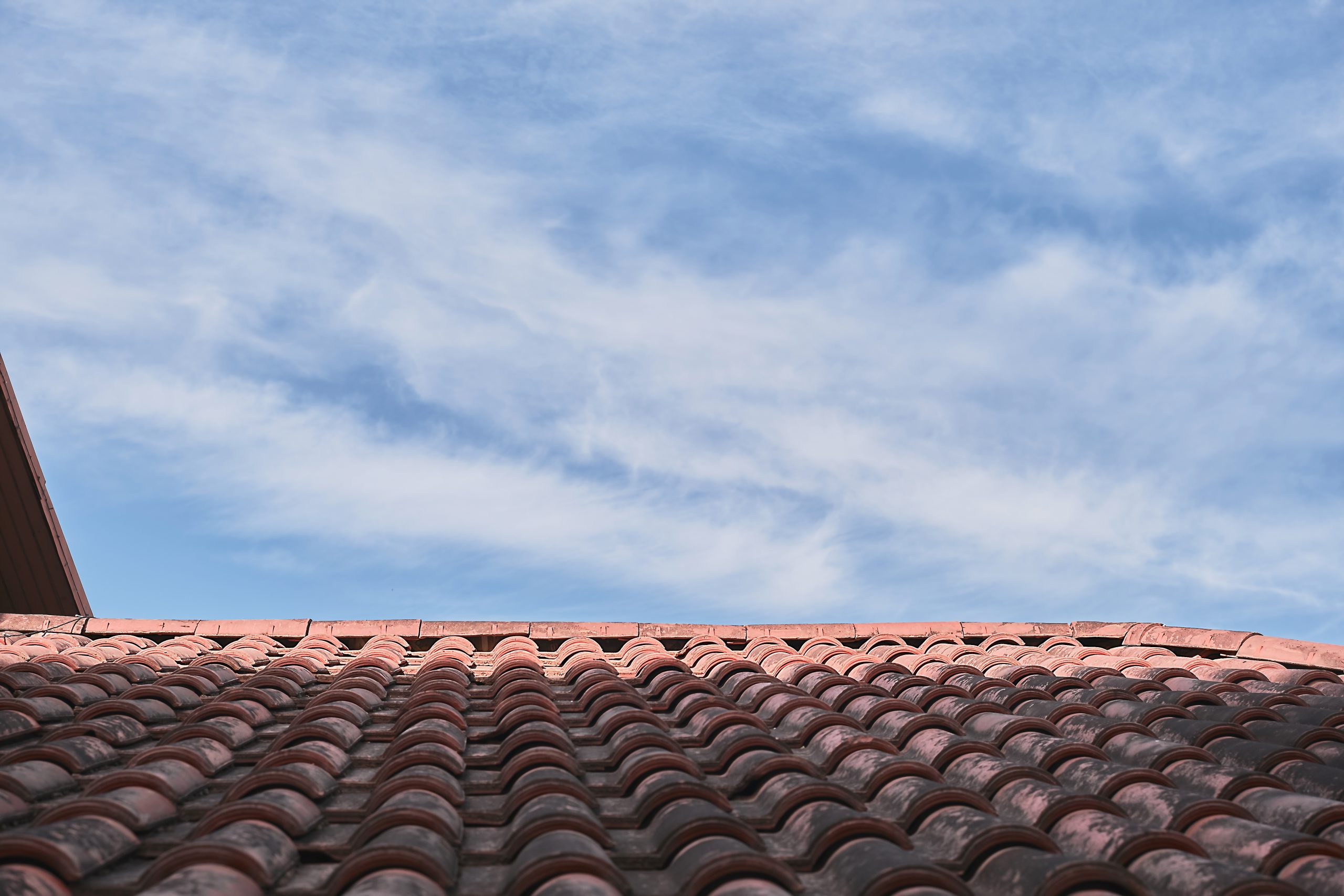

When comparing slate and tile roofing, it’s essential to understand their unique advantages before consulting with professional roofers for expert guidance. Both materials are known for their longevity, charm, and ability to elevate a home’s aesthetic, but they differ in cost, maintenance, and performance.
Slate offers natural elegance and can last for generations, while tile provides a wider range of styles and colors that suit various architectural designs. This guide explores their differences in durability, appearance, maintenance, installation, and environmental impact to help you choose the best option for your home.
Durability
Durability is one of the most important considerations when choosing between slate and tile. Slate roofing is widely regarded for its remarkable longevity, properly installed, it can last well over a hundred years. Its natural stone composition makes it highly resistant to fire, moisture, and pests, and it performs well under harsh weather conditions. Tile roofing is also durable, but it can be more prone to cracking when exposed to extreme temperature changes or impact.
In regions with seismic activity or heavy storms, slate’s natural strength and stability often make it the better long-term option. Still, both materials deliver dependable performance when maintained properly.
Appearance
The appearance of a roof can define the overall personality of a home, and both slate and tile excel in visual appeal. Slate provides a refined, timeless look with its smooth texture and subtle color variations that develop a soft patina over time. Its classic beauty complements both traditional and contemporary architecture.
Tile roofing, in contrast, offers more design flexibility. Available in a variety of colors, shapes, and finishes, tile can be used to achieve anything from Mediterranean charm to sleek, modern minimalism. Whether you prefer the natural, understated elegance of slate or the creative versatility of tile, both materials can enhance a home’s curb appeal.
Maintenance
Slate and tile roofs differ slightly in maintenance requirements, but both demand periodic care to ensure longevity. Slate roofs are known for their low maintenance needs since they naturally resist weather damage and corrosion. Occasional inspections to replace cracked or missing pieces and check flashing are usually enough to keep them in excellent condition.
Tile roofs, while sturdy, may require a bit more attention. Because the tiles can shift or crack during storms or under heavy debris, prompt repairs are necessary to prevent leaks from occurring.
Regular cleaning of gutters and removal of debris helps maintain both types of roofs. In general, slate roofing requires less frequent upkeep, making it a practical choice for homeowners seeking long-term reliability with minimal maintenance.
Cost
Cost is often the deciding factor between slate and tile roofing. Slate is typically the more expensive option due to its premium materials and labor-intensive installation process. Prices can range from $600 to $1,500 per square foot, depending on the grade of slate and the roof’s complexity. Tile roofing is generally more affordable, typically ranging from $400 to $1,000 per square foot.
However, when considering long-term value, slate’s durability often offsets its higher upfront cost, as it can last twice as long as tile with minimal repair needs. Homeowners planning to stay in their property for decades may find slate to be the more cost-effective investment in the long run.
Installation
Installing slate or tile roofing requires skill, precision, and structural preparation. Before the installation begins, the roof’s framework must be inspected to ensure it can support the added weight of the materials.
Once verified, a waterproof underlayment is applied to protect the structure from moisture. Each slate or tile piece is carefully placed and secured, ensuring consistent alignment and proper sealing.
The process ends with meticulous detailing along edges and ridges to prevent water infiltration and improve durability. Because both materials are heavy and require specific handling techniques, hiring experienced professionals is crucial. Proper installation not only enhances the roof’s lifespan but also ensures it performs efficiently in all weather conditions.
Environmental Impact
Both slate and tile roofing offer environmentally friendly qualities, though slate tends to have a smaller overall footprint. Slate is a natural, quarried stone that requires minimal processing and can last for generations, reducing waste and the need for frequent replacement.
At the end of its lifespan, slate can be recycled or reused, contributing to its sustainability. Tile roofing, made from clay or concrete, is also recyclable and provides excellent energy efficiency by reflecting sunlight and regulating indoor temperatures.
However, the manufacturing and transportation of tile can consume more energy due to its weight. Both materials remain eco-conscious choices, with slate having a slight advantage for homeowners focused on long-term environmental sustainability.
Related Topics:
- What is Flashing in Roofing and How Does It Prevent Leaks
- What is a Drip Edge in Roofing and Why It Matters